Alexandrite is a rare, color changing variety of chrysoberyl, first discovered in Russia’s Ural Mountains in 1834 and named after Tsar Alexander II. Its defining feature appearing green or bluish green in daylight and shifting to red or purplish red under warm indoor light is called the “alexandrite effect,” often described in the trade as “emerald by day, ruby by night.” Fine natural alexandrite is genuinely rarer than diamond in comparable quality, with top specimens selling for $10,000 to over $100,000 per carat; lab created versions offer the same optical effect for as little as $50-$500 per carat.
Natural Alexandrite: The Rare Gem That Changes Color
Imagine owning a gemstone that changes its color every time the lighting changes. That’s exactly what makes Natural Alexandrite so extraordinary. Often called “Emerald by Day, Ruby by Night,” this rare gemstone transforms from green in daylight to red under warm indoor light, creating one of nature’s most fascinating optical effects.
Discovered in Russia during the 19th century, Natural Alexandrite has become one of the most sought after gemstones in the world. Whether you’re looking for a real Alexandrite stone, buying fine jewelry, or simply exploring rare gems, this guide will help you understand its color change, value, origins, benefits, and the difference between genuine Alexandrite and lab created alternatives.
What Is Alexandrite, and Why Does It Change Color?
Alexandrite is one of the world’s rarest gemstones, but what makes it truly unforgettable isn’t just its rarity it’s the way it changes color.
Mineralogically, alexandrite is a rare variety of chrysoberyl. Tiny amounts of chromium inside the crystal are responsible for its famous color-changing effect. Chromium absorbs certain wavelengths of light while allowing others to pass through. Because daylight and warm indoor lighting contain very different mixes of wavelengths, the stone can appear dramatically different depending on the light source.
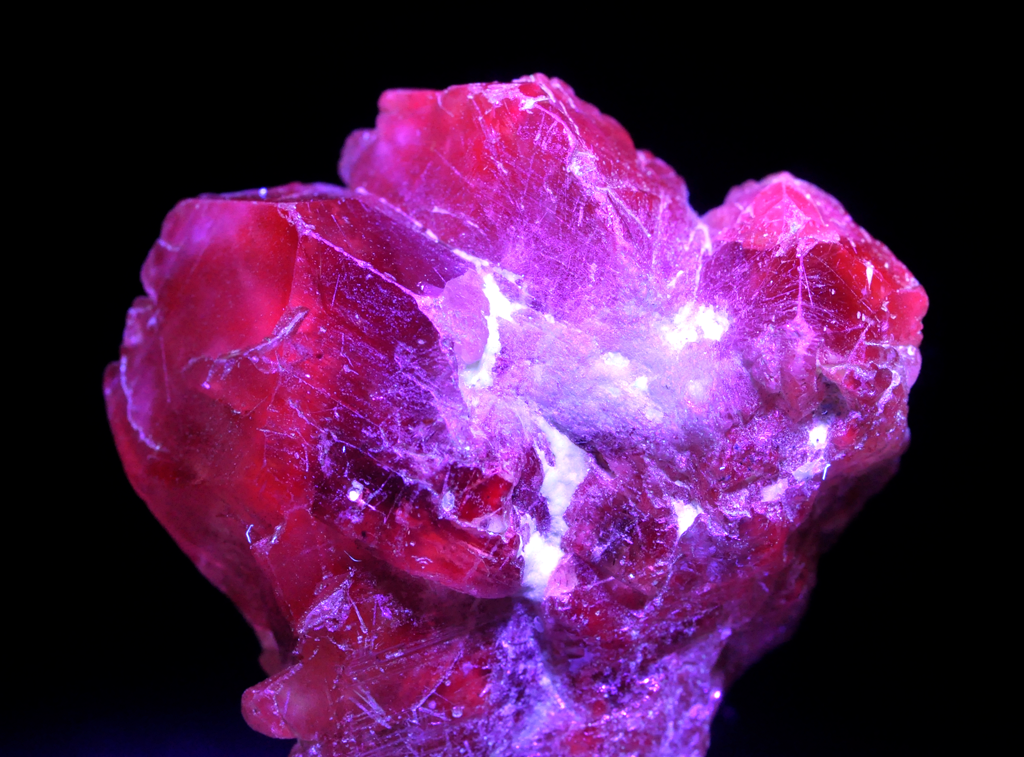
In daylight, a fine alexandrite typically looks green to bluish green. Under incandescent or candlelight, it shifts toward red, purplish red, or raspberry. This remarkable optical effect has earned alexandrite its famous nickname: “Emerald by Day, Ruby by Night.”
Unlike gems that simply sparkle more or less under different lighting, alexandrite can appear to become an entirely different gemstone. That optical phenomenon is what collectors pay for and what makes natural alexandrite one of the most valuable colored gemstones in the world.
Alexandrite Meaning & Symbolism
For centuries, Natural Alexandrite has symbolized change, balance, and new beginnings because of its extraordinary color-changing nature. Many people believe it represents adaptability, confidence, and personal growth, making it a meaningful gemstone for life’s important milestones.
As the modern June birthstone, Alexandrite is a popular gift for birthdays and the 55th wedding anniversary. While these meanings come from cultural traditions rather than scientific evidence, they continue to make real Alexandrite one of the most treasured gemstones in the world.
Alexandrite Benefits: Healing Properties, Meaning & Spiritual Significance
Many people searching for alexandrite benefits, alexandrite healing properties, or alexandrite stone meaning are interested in its traditional spiritual symbolism. In crystal healing practices, alexandrite is believed to promote emotional balance, personal growth, confidence, intuition, creativity, and positive transformation. It is also associated with prosperity, good luck, and new beginnings, making it a popular birthstone and engagement ring gemstone for those who value its symbolism as much as its rarity.
While these alexandrite healing benefits are widely discussed in spiritual and metaphysical traditions, they are not supported by scientific evidence and should not be considered medical or therapeutic treatments. Whether you’re drawn to alexandrite for its remarkable color changing effect, its symbolism, or its investment value, it remains one of the world’s rarest and most fascinating natural gemstones.
“Emerald by Day, Ruby by Night” How Strong Is the Color Change, Really?
If you remember only one thing about alexandrite pricing, remember this:
The strength of the color change is the single biggest driver of value.
Many guides focus on origin or clarity first, but experienced collectors almost always look at the color change before anything else.
Gemologists often describe the effect as a percentage:
- 100% color change: The stone transforms almost completely from vivid green in daylight to rich red under warm light. This is exceptionally rare and commands the highest prices.
- 70–90% color change: A strong, obvious shift that is visible immediately to the eye. These stones are highly desirable.
- Around 50% color change: The gem changes color noticeably but retains some of its original hue. These stones can still be beautiful, but they’re significantly less valuable than stones with a dramatic transformation.
- Below 50%: The change is subtle rather than striking, limiting collector demand.
Two alexandrites can have nearly identical size, clarity, and origin yet differ in value by many times simply because one has a much stronger color change. In practice, that dramatic transformation is what separates a collectible alexandrite from an ordinary one.
Natural Alexandrite Gemological Properties
Besides its famous color change, Natural Alexandrite is highly valued for its excellent durability and outstanding gemological properties. With a Mohs hardness of 8.5, it is resistant to scratches and suitable for everyday jewelry such as rings, pendants, earrings, and bracelets.
| Property | Details |
|---|---|
| Mineral Family | Chrysoberyl |
| Chemical Formula | BeAl₂O₄ |
| Mohs Hardness | 8.5 |
| Crystal System | Orthorhombic |
| Luster | Vitreous |
| Transparency | Transparent to Translucent |
| Specific Gravity | 3.68–3.78 |
| Refractive Index | 1.746–1.755 |
| Cleavage | Poor |
| Fracture | Conchoidal to Uneven |
Natural vs. Lab-Created Alexandrite: What’s the Real Difference?
Natural and lab created alexandrite have the same chemical composition and both display the famous color change effect. The biggest difference is rarity. Natural alexandrite is exceptionally scarce, which is why it often sells for thousands or even tens of thousands of dollars per carat. Lab created alexandrite is produced in controlled conditions and typically costs $50–$500 per carat. The price gap isn’t because one is “fake” it’s simply the result of supply and demand.
Comparison Table
| Feature | Natural Alexandrite | Lab-Created Alexandrite |
|---|---|---|
| Formation | Naturally formed | Laboratory grown |
| Rarity | Extremely Rare | Common |
| Value | Very High | Much Lower |
| Color Change | Natural | Created to imitate |
| Inclusions | Natural | Usually minimal |
| Best For | Collectors & Fine Jewelry | Affordable Jewelry |
Is Alexandrite Durable Enough to Wear Every Day?
Yes. Alexandrite scores 8.5 on the Mohs hardness scale, making it harder than most colored gemstones and resistant to everyday scratches. Combined with its toughness, this makes it an excellent choice for engagement rings and other jewelry designed for daily wear.
How to Tell If Your Alexandrite Is Real
A genuine alexandrite should show a strong, distinct color change between daylight and warm indoor lighting, along with natural inclusions visible under magnification. Stones with perfectly uniform color and flawless clarity are more likely to be lab created or a simulant, such as color change sapphire or color change garnet, which are commonly marketed as alexandrite alternatives. A professional gemological report is the most reliable way to confirm authenticity.
Alexandrite Colors Explained
One of the reasons Natural Alexandrite is so valuable is its impressive range of colors. In daylight, the gemstone commonly displays green, bluish green, or teal shades. Under incandescent light, it transforms into red, purplish red, raspberry red, or sometimes a reddish purple tone.
Not every Alexandrite gemstone shows the same intensity of color change. Stones with a vivid green to red transformation are the most desirable and usually have the highest Alexandrite value. The stronger and cleaner the color shift, the more sought-after the gemstone becomes.
How Much Is Alexandrite Worth Per Carat in 2026?
Alexandrite prices vary widely based on color-change strength, size, and overall quality. Commercial-quality stones typically sell for under $2,000 per carat, while mid-quality gems range from $7,000 to $12,000 per carat. Fine alexandrites with a strong color change can command $10,000 to $70,000 per carat, and exceptional stones over one carat may exceed $100,000 per carat. A notable example is a 2.03-carat Russian alexandrite that sold at Sotheby’s in 2023 for $138,000 (about $68,000 per carat), demonstrating how a near-complete color change can dramatically increase value.
How Much Is Natural Alexandrite Worth?
There is no fixed price for Natural Alexandrite because each gemstone is unique in quality and rarity. Smaller stones with a moderate color change are generally more affordable, while premium real Alexandrite stones with excellent clarity, vivid colors, and a dramatic color shift can sell for thousands or even tens of thousands of dollars per carat. When evaluating Alexandrite value, buyers should consider the gemstone’s overall quality rather than its size alone.
Where Is Natural Alexandrite Found?
Natural Alexandrite was first discovered in Russia’s Ural Mountains, but today it is also mined in Brazil, Sri Lanka, Tanzania, Madagascar, India, and Zimbabwe. Each source produces gemstones with slightly different colors and characteristics, although fine quality material remains extremely rare. Russian and Brazilian genuine Alexandrite are especially prized because of their exceptional color change, clarity, and historical importance in the gemstone market.
Natural Alexandrite Jewelry
With a Mohs hardness of 8.5, Natural Alexandrite is durable enough for everyday jewelry, making it a popular choice for rings, earrings, pendants, necklaces, and bracelets. Its remarkable color changing effect gives every piece a unique appearance under different lighting conditions. Because real Alexandrite is so rare, high quality jewelry featuring a natural Alexandrite stone is often custom made or used in luxury collections.
Who Should Wear Natural Alexandrite?
Natural Alexandrite is an excellent gemstone for anyone who appreciates rarity, elegance, and unique natural beauty. As the modern June birthstone, it makes a meaningful gift for June birthdays and the traditional 55th wedding anniversary. Whether you’re a gemstone collector, jewelry enthusiast, or someone looking for a truly distinctive gem, a genuine Alexandrite offers lasting beauty, exceptional durability, and timeless value that few other gemstones can match.
Alexandrite vs Similar Gems: Chrysoberyl, Garnet Comparison
Alexandrite is often compared with chrysoberyl and garnet, but its natural color change sets it apart. Garnets may appear similar in color but lack Alexandrite’s rarity, durability, and investment value.
Alexandrite Color Change vs Color Change Sapphire
While color change sapphires are more affordable, Alexandrite offers a stronger and rarer transformation. Alexandrite’s scarcity and historical significance make it more valuable and desirable among collectors.
Russian Alexandrite vs Indian Alexandrite Quality
Russian Alexandrite exhibits superior green to red transitions, while Indian stones often show subtler color changes. Origin plays a significant role in pricing, rarity, and collector preference.
Alexandrite vs. Other Red Gemstones – What Makes It Unique?
Though often compared to rubies, garnets, and spinels, alexandrite stone is unique due to its dual color nature. While rubies and garnets maintain a consistent red hue, real alexandrite jewelry shifts between green and red color, making it more dynamic. This exclusive feature makes alexandrite rings stand out among other red gemstones.
How to Identify Real vs. Lab-Grown Alexandrite?
Distinguishing natural alexandrite from lab created alexandrite requires careful observation. Genuine stones typically show a strong color change and contain natural inclusions, whereas synthetic versions may have uniform hues and fewer imperfections. Real alexandrite jewelry is significantly more expensive than lab-grown alexandrite rings, making it essential to verify authenticity before purchase.
Alexandrite Care Guide: Cleaning, Storage & Durability
Clean Alexandrite using warm water, mild soap, and a soft brush. Avoid harsh chemicals and ultrasonic cleaners. Store separately to prevent scratches and preserve its brilliance and value over time.
FAQs – Common Questions About Alexandrite
Because fine-quality natural alexandrite is significantly rarer than gem-quality diamond, and demand from collectors keeps pushing prices for top specimens well above $10,000 per carat.
A 16.53-carat alexandrite ring sold for $1.9 million at Sotheby’s in December 2024, setting a record for the gemstone.
Natural stones usually show visible internal inclusions and can have a slightly less uniform color change; lab created alexandrite is often flawless with a stronger, more consistent shift. A certified lab report is the only reliable way to confirm.
Yes it’s one of three official June birthstones, alongside pearl and moonstone.
Yes. At 8.5 on the Mohs hardness scale, it’s durable enough for daily wear, and it’s increasingly chosen as an alternative to diamond for buyers who want something rarer and more distinctive.
Use mild soap, warm water, and a soft brush; avoid harsh chemicals and ultrasonic cleaners.
Color-change sapphire, color-change garnet, and color-change glass are common alexandrite alternatives. They can mimic alexandrite’s famous color-changing effect, but they do not share its unique chemical composition, rarity, or market value.
Absolutely it’s durable and deeply meaningful as a center or accent stone.
Primarily in Russia, Brazil, Sri Lanka, and parts of East Africa.
Certified reports from labs like GIA or AGL ensure authenticity; also look for strong, distinct color change.
Choose certified sellers and request lab reports.
Conclusion – The Timeless Beauty of Alexandrite Gemstone
The alexandrite gemstone is prized for more than its rarity it’s celebrated for its extraordinary color changing effect, lasting durability, and rich history. Whether you’re looking to buy an alexandrite engagement ring, invest in a rare natural alexandrite, or simply learn about one of the world’s most valuable gemstones, its unique ability to shift from green in daylight to red under warm light makes it truly unforgettable. With exceptional stones becoming increasingly scarce, alexandrite continues to be one of the most sought after gemstones for collectors, investors, and jewelry lovers alike.