Identifying gemstones correctly has become more important than ever in 2026 as the global gemstone market continues expanding through online stores, auctions, collectors’ platforms, and international jewelry brands. From Diamond, Ruby, Sapphire, Emerald, Spinel, Tourmaline, Opal, Tanzanite, Alexandrite, Quartz, Garnet, and Topaz, modern buyers now demand accurate gemstone identification before investing in fine jewelry or collector stones. A proper gemstone identification guide helps buyers distinguish natural gems from synthetic stones, identify treatments, detect imitations, and understand the physical and optical properties that influence value and rarity. Whether you are a beginner learning gemstone basics, a collector building a valuable mineral collection, or a jewelry investor researching certified gemstones, understanding gemstone identification is one of the most powerful skills in modern gemology. This complete 2026 guide explains gemstone identification methods, gemological tools, gemstone families, optical phenomena, refractive index testing, Mohs hardness analysis, inclusions, and professional lab verification so you can confidently identify gemstones with accuracy and expertise.
What Is Gemstone Identification?
Gemstone identification is the scientific and observational process of determining a gemstone’s identity based on its physical, chemical, and optical properties. Gemologists use characteristics such as color, hardness, refractive index, specific gravity, inclusions, transparency, and crystal structure to distinguish one gemstone from another. In today’s gemstone market, accurate identification is essential because many gems can look visually similar despite having completely different values and durability levels. For example, Spinel can resemble Ruby, while synthetic Sapphire may imitate natural Corundum almost perfectly. Proper gemstone identification protects buyers from fraud, helps collectors classify rare specimens, and assists jewelers in evaluating treatments and authenticity. In 2026, gemstone identification has become even more important due to the rise of synthetic gems, advanced treatments, and online gemstone sales, where buyers cannot always inspect stones in person before purchasing.
Definition and Purpose of Gemstone Identification
The purpose of gemstone identification is to determine exactly what a gemstone is and whether it is natural, synthetic, treated, or imitation. Professional gemologists analyze gemstone properties using specialized tools and scientific methods to confirm identity with precision. Gemstone identification supports jewelry valuation, gemstone grading, investment decisions, and authenticity verification. It also helps jewelers recommend suitable settings and proper care based on gemstone durability. In the modern gemstone market, buyers increasingly seek certified gemstones with verified identity and treatment disclosure because trust and transparency strongly affect value. Accurate identification therefore protects both consumers and professionals from misinformation and costly mistakes.
Gemstone Identification vs Gemstone Grading and Valuation
Many people confuse gemstone identification with grading and valuation, but they are different processes. Identification determines what the gemstone actually is, while grading evaluates quality factors such as color, clarity, cut, and carat weight. Valuation estimates the gemstone’s market price based on rarity, condition, treatment status, and consumer demand. For example, identifying a stone as Sapphire only confirms the gem species. Grading determines whether the Sapphire is commercial quality or rare cornflower blue collector grade. Valuation then estimates its monetary worth. Understanding these distinctions helps buyers interpret gemstone certificates more accurately while making smarter investment decisions.
Why Buyers, Collectors, and Jewelers Need This Skill
Gemstone identification benefits buyers, collectors, jewelers, investors, and gemology students alike. Buyers use identification knowledge to avoid fake gemstones and misleading listings online. Collectors rely on gemstone identification to organize and evaluate mineral collections accurately. Jewelers use gemological testing to determine appropriate settings, treatments, and repair methods. Investors depend on gemstone identification when purchasing high value collector stones such as Alexandrite, Paraiba Tourmaline, Painite, or untreated Burmese Ruby. In 2026, gemstone education has become increasingly important because consumers now research gemstones extensively before buying luxury jewelry or collector gems.
Why Gemstone Identification Matters (Beyond Just Real vs Fake)
Many consumers believe gemstone identification is only about determining whether a stone is real or fake. However, modern gemstone identification goes far beyond authenticity. Gemologists also analyze gemstone treatments, synthetic growth methods, enhancement techniques, geographic origin, and durability characteristics. Two gemstones may both be “real” yet vary enormously in rarity, beauty, and value depending on treatments and source locations. For example, untreated Kashmir Sapphire is vastly more valuable than heated commercial Sapphire despite both being natural Corundum. Proper gemstone identification therefore plays a major role in investment protection, jewelry appraisal, and collector confidence.
Why Identifying Real vs Fake Isn’t the Full Story
Determining whether a gemstone is genuine is only the beginning of gemstone analysis. Natural gemstones may still contain treatments such as heat enhancement, fracture filling, irradiation, or diffusion processes that influence appearance and value. Synthetic gemstones are chemically real gemstones but grown in laboratories rather than nature. Imitations, meanwhile, only mimic appearance without sharing chemical composition. Buyers who only ask whether a gemstone is “real” may overlook important treatment disclosures and market differences. Proper gemstone identification therefore includes origin analysis, enhancement detection, and structural evaluation in addition to authenticity testing.
How Identification Helps with Treatments, Synthetics, and Origin
Gemstone identification helps reveal whether a gemstone has undergone treatments or synthetic growth processes. Heat treatment is common in Sapphire, Ruby, and Tanzanite, while fracture filling often appears in Emeralds. Advanced laboratory methods can also determine geographic origin, which strongly influences rarity and price. For example, Colombian Emeralds, Burmese Rubies, and Kashmir Sapphires command premium prices due to historical prestige and limited supply. Identifying treatments and origins protects buyers from overpaying for heavily enhanced stones marketed as rare collector gems.
Why Proper Identification Protects Your Investment
Gemstones can represent significant financial investments, especially in luxury jewelry and collector markets. Accurate gemstone identification ensures buyers receive what they are paying for while preserving long-term resale value. Certified gemstones with verified identity and treatment disclosure generally command stronger market confidence and higher resale prices. Inaccurate identification, however, can lead to overpayment, insurance complications, and resale difficulties. As gemstone investment grows in popularity worldwide, identification has become one of the most critical aspects of gemstone purchasing and ownership.
Common Gemstone Types and Their Families
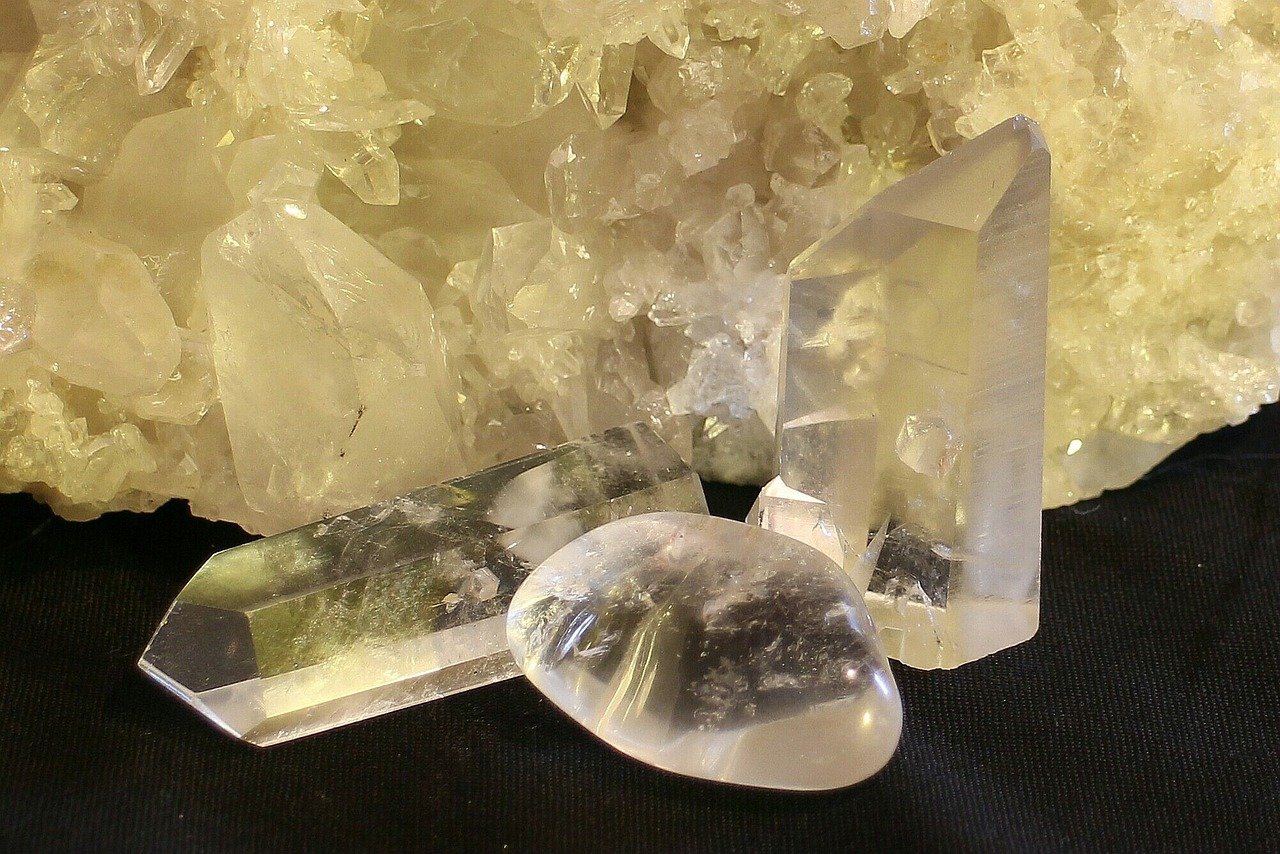
Gemstones are classified into mineral families based on chemical composition and crystal structure. Understanding gemstone families helps gemologists identify related stones with similar properties and durability. Families such as Beryl, Corundum, Quartz, Feldspar, Garnet, Tourmaline, and Spinel dominate the gemstone industry because they contain many of the world’s most popular gems. Each family shares common structural characteristics while displaying unique color varieties and optical effects.
Beryl, Corundum, Quartz, Feldspar, Garnet, Tourmaline, Spinel
The Beryl family includes Emerald, Aquamarine, Morganite, Goshenite, and Heliodor, typically ranking 7.5–8 on the Mohs Scale. Corundum contains Ruby and Sapphire, both measuring Mohs 9 and prized for exceptional durability. The Quartz group includes Amethyst, Citrine, Rose Quartz, Smoky Quartz, Agate, and Aventurine, all ranking around Mohs 7. Feldspar gemstones include Moonstone, Labradorite, and Sunstone, known for iridescent optical effects. The Garnet family contains Almandine, Tsavorite, and Spessartine, while Tourmaline displays one of the widest color ranges in gemology. Spinel, historically mistaken for Ruby, has become increasingly valuable due to its brilliance and untreated nature.
Organic and Rare Gemstones (Diamond, Opal, Alexandrite, etc.)
Some gemstones fall outside traditional mineral families or display rare optical phenomena. Diamond remains the hardest natural gemstone with Mohs 10 hardness and unmatched brilliance. Opal is amorphous rather than crystalline and famous for play-of-color effects. Alexandrite, part of the Chrysoberyl family, is celebrated for dramatic color change from green to red. Organic gemstones such as Pearl, Amber, and Coral form through biological processes instead of crystallization. Rare collector gems like Painite, Jeremejevite, and Benitoite continue attracting investor attention due to scarcity and increasing demand.
How Families Group Gemstones by Structure and Properties
Gemstone families group minerals according to crystal structure, chemistry, hardness, and optical behavior. This classification helps gemologists predict gemstone properties and identify unknown specimens more efficiently. For example, all Corundum gemstones share high hardness and similar refractive indices, while Beryl gems share hexagonal crystal structures and comparable durability. Understanding gemstone families therefore simplifies gemstone identification while helping buyers compare gemstones more accurately.
Physical Properties Used to Identify Gemstones (2026)
Gemologists rely on physical and optical properties to identify gemstones accurately. No single property alone confirms identity, so professionals compare multiple characteristics simultaneously. These properties include color, transparency, hardness, refractive index, specific gravity, inclusions, birefringence, pleochroism, and optical phenomena. In 2026, gemstone identification increasingly combines traditional gemology with digital analysis tools and AI-assisted gemstone databases.
Color, Luster, and Transparency
Color remains one of the most recognizable gemstone characteristics, though it alone cannot confirm identity because many gems share similar hues. Gemologists also examine luster, which describes how light reflects from a gemstone surface. Transparency further helps distinguish gems as transparent, translucent, or opaque. Combined, these visual characteristics provide important clues during gemstone identification.
Hardness and the Mohs Scale
Hardness testing helps determine a gemstone’s resistance to scratching. Diamond ranks highest at Mohs 10, while softer gems such as Opal and Turquoise rank lower. Hardness analysis supports gemstone identification while helping buyers understand durability and jewelry suitability. Modern gemologists perform hardness testing carefully to avoid damaging valuable specimens.
Specific Gravity, Density, and Refractive Index
Specific gravity measures gemstone density relative to water, while refractive index evaluates how strongly a gemstone bends light. These scientific measurements are among the most accurate methods for gemstone identification because many gemstones possess unique density and RI ranges. Gemologists use refractometers and hydrostatic weighing methods to calculate these values precisely.
Inclusions, Internal Features, and Optical Phenomena
Internal inclusions act like fingerprints within gemstones. Natural inclusions such as feathers, silk, crystals, or liquid-filled cavities often reveal natural origin, while synthetic stones display curved growth lines or gas bubbles. Optical phenomena such as chatoyancy, asterism, pleochroism, and color change further assist identification. These internal characteristics provide some of the most reliable gemstone identification evidence.
Simple At Home Tests (No Expert Tools Needed)
Water Drop Test
Place a small water droplet on the surface of your gemstone. A real gemstone usually has high surface tension, causing the drop to stay rounded instead of spreading out. On imitation stones like glass, the water tends to flatten or roll off. This simple method works best with transparent gems such as quartz, sapphire, and topaz.
Fog / Breath Test
Breathe gently on the gemstone to fog it up. Real stones disperse heat quickly, so the fog disappears within 1–2 seconds. Fake gemstones, especially glass or resin, retain heat longer and stay fogged up. This is a quick and safe way to test diamonds, sapphires, and rubies.
Weight / Density Comparison
Hold the gemstone in your hand or compare it with a similar sized real stone. Authentic gemstones often feel heavier due to higher density. Fakes made of plastic or resin are surprisingly lightweight, while glass imitations may not match the expected heft of the genuine mineral.
Visual Checks: Color and Clarity
Examine the stone under good light. Real gems often have color zoning, natural inclusions, or slight imperfections, whereas fake gemstones appear “too perfect” with flawless clarity and uniform color. A magnifying glass or simple loupe can reveal bubbles inside glass imitations.
Light Reflection Test
Hold your gemstone under light. Real gems sparkle with depth, brilliance, and unique reflections. Fake gemstones often produce dull or flat light. For example, a real diamond shows sharp, bright reflections, while cubic zirconia produces rainbow-like flashes that look artificial.
Understanding Gemstones: What Are They?
Gemstones are precious or semi-precious minerals that are cut and polished for use in jewelry or decoration. They come in a variety of colors, shapes, and types. The most common categories include:
- Natural gemstones: Formed naturally within the Earth.
- Synthetic gemstones: Lab created stones that mimic natural counterparts.
- Imitation stones: Materials designed to look like real gemstones but are made from different substances.
Proper gem identification ensures you can differentiate between these categories and understand the true value of the stone.
Gemstone Identification Tools and Instruments
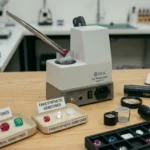
Modern gemstone identification relies on specialized gemological tools that reveal gemstone properties invisible to the naked eye. Professional gemologists use microscopes, refractometers, spectroscopes, UV lamps, polariscopes, and hydrostatic scales to analyze gemstones accurately. Many beginner-friendly tools are also affordable for hobbyists and collectors.
Loupe, Microscope, and UV Flashlight
A 10x jeweler’s loupe remains one of the most essential gemstone identification tools because it reveals inclusions, facet wear, bubbles, and growth structures. Microscopes provide even greater detail for advanced gemstone analysis. UV flashlights help detect fluorescence patterns commonly seen in Diamond, Ruby, and some synthetic gems.
Refractometer and Specific Gravity Scales
Refractometers measure refractive index, one of the most reliable gemstone identification methods available. Specific gravity scales measure density, helping distinguish visually similar gemstones. Combined, these tools provide highly accurate gemstone identification data for both professionals and serious collectors.
Spectroscope, Polarizing Filters, and More
Spectroscopes analyze gemstone absorption spectra, revealing trace elements responsible for color. Polarizing filters detect double refraction and optical anisotropy. Additional tools such as dichroscopes, Chelsea filters, and immersion cells further assist gemstone analysis and treatment detection.
How to Use These Tools at Home (Beginner Level)
Beginners can start with simple tools such as loupes, UV lights, tweezers, and hardness kits before progressing to advanced instruments. Proper lighting, careful observation, and comparing multiple gemstone properties help improve accuracy while minimizing testing mistakes.
How to Use a Gemstone Identification Tool (GemstonesCraft)
Digital gemstone identification tools are becoming increasingly popular among collectors and online gemstone buyers. These tools combine gemstone databases, visual comparisons, hardness charts, refractive index data, and AI-assisted matching systems to help users narrow down gemstone possibilities quickly and efficiently.
How the GemstonesCraft Gemstone Identification Tool Works
The GemstonesCraft identification tool analyzes gemstone properties such as color, hardness, transparency, luster, refractive index, and inclusions to suggest likely gemstone matches. Users enter observed data while the tool compares results against a large gemological database.
How to Use the Tool for Accurate Gemstone ID
For accurate results, users should examine gemstones under proper lighting and input multiple properties rather than relying on color alone. Combining hardness, transparency, RI, and inclusions significantly improves identification accuracy.
What to Do If the Tool Suggests Multiple Possibilities
Some gemstones share overlapping properties, causing multiple possible matches. In these cases, additional testing such as refractive index analysis, UV fluorescence, or professional gemological evaluation may be required.
How to Combine the Tool with Manual Tests
Digital tools work best when combined with traditional gemological testing methods. Manual observation, magnification, hardness analysis, and professional verification all help confirm gemstone identity more reliably.
Essential Tools for Gemstone Identification
To properly identify gemstones, professionals use specialized tools. Here are the most important ones:
- Refractometer: Measures the stone’s refractive index.
- Polariscope: Determines whether the stone is singly or doubly refractive. Double refraction can indicate specific gem varieties.
- Loupe or Microscope: Magnifies the gemstone to inspect inclusions and surface features.
- Gemstone Identification Chart: A reference guide for comparing physical and optical properties.
- Specific Gravity Test: Measures the stone’s density and helps determine its type.
Pleochroism: Understanding Gemstone Color Changes
Pleochroism is a fascinating optical property found in certain gemstones like iolite and tourmaline. When viewed from different angles, these gemstones display varying colors, showcasing a captivating play of hues. This unique characteristic adds depth and intrigue to the gemstone, as it appears to change color depending on the observer’s perspective. Pleochroic gemstones often exhibit a mesmerizing range of colors, making them prized for their dynamic and ever-changing appearance.
Lab-Created vs. Natural Gemstones – Key Differences
Lab-created gemstones are made to mimic natural ones but lack the unique inclusions and chemical properties of real stones. Synthetic diamonds, for example, have metallic flux inclusions, while natural diamonds contain tiny carbon inclusions.
natural Gemstone Identification Techniques
Visual Examination
Examining a gemstone’s color, clarity, and general look in either artificial or natural light is called a visual examination. Gemologists enlarge gemstones for closer inspection using loupes and microscopes.
Gemological Testing
The physical and visual characteristics of a gemstone are examined via the use of specific tools and methods in gemological testing. These examinations might consist of:
A refractive index
A refractometer determines a gemstone’s refractive index, which offers important details on its provenance and identity.
What happens to light as it travels through a gemstone is measured by its refractive index. It is possible to identify gemstones by using their unique refractive indices.
Spectroscope
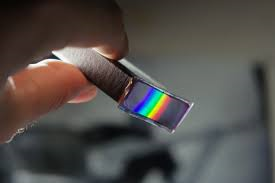
A spectroscope helps detect certain elements or impurities found in gemstones by analyzing the spectrum of light emitted or absorbed by the stone
Dichroscope
By dividing light into its two polarized components, a dichroscope analyzes a gemstone’s pleochroism and helps gemologists determine its distinct color characteristics.
When to Take a Gemstone to a Gem Lab
Certain gemstones require advanced laboratory analysis beyond home testing capabilities. High-value gemstones, suspected synthetics, treated stones, and investment-grade gems should always undergo professional gemological examination for maximum accuracy.
Signs That You Need Professional Testing
Professional testing becomes necessary when gemstones show unusual optical effects, uncertain treatments, exceptionally high value, or ambiguous identification results. Rare collector stones and investment gems especially benefit from laboratory certification.
How Gemstone Labs Confirm Identity and Treatments
Gemological laboratories use advanced instruments such as Raman spectroscopy, FTIR analysis, UV-Vis spectroscopy, and advanced microscopy to determine gemstone species, treatments, and origins with precision.
What a Lab Report Includes and Why It Matters
A professional gemstone report typically includes gemstone identity, weight, measurements, treatment disclosures, origin information, and additional gemological comments. Certified reports significantly increase buyer confidence and resale potential.
Gemstone Identification for Collectors and Investors
Collectors and investors depend heavily on gemstone identification because rarity, treatment status, and origin strongly influence value. Proper documentation and accurate classification help maintain long-term market confidence and investment performance.
How Identification Affects Value and Rarity
Correct gemstone identification directly impacts pricing because rare natural untreated gemstones command far higher values than treated or synthetic alternatives. Even small differences in identification can dramatically alter market value.
Why Collectors Need to Track Treatments and Origins
Collectors track origin and treatment history because certain localities and untreated stones hold greater prestige and rarity. Burmese Ruby, Colombian Emerald, and Kashmir Sapphire remain premium collector categories due to historical importance and scarcity.
How to Use This Guide for Investment Decisions
Investors should combine gemstone identification knowledge with certification, market research, and rarity analysis before purchasing expensive gemstones. Understanding gemological properties helps reduce investment risk while improving long-term collecting strategies.
How to Identify Different Types of Gemstones
How to Identify Real Jade
Real jade is either jadeite or nephrite, and both have a smooth, waxy texture. The easiest way to identify real jade is by its cool touch, high density, and toughness. Genuine jade gemstones should not scratch easily, as they are highly durable. When held against a light source, natural jade may show fine fibrous structures or subtle color variations, unlike fakes, which appear uniform. A sound test can also help real jade produces a deep, resonant sound when tapped, whereas imitations sound dull.
How to Identify Gems
The best way to identify gems is by analyzing their physical and optical properties. Natural gems typically display slight imperfections, color variations, and unique inclusions. Gemstones like amethyst, peridot, and garnet show distinct hues and luster. If you’re unsure about a gem’s authenticity, a professional gemologist can conduct tests such as refractive index measurement, UV fluorescence, or specific gravity tests to verify if it is real.
How to Identify Raw Opal
Raw opal is often found in a matrix of rock and exhibits an uneven surface with veins of color running through it. A key sign of genuine raw opal is its play-of-color, a unique iridescence that shifts when viewed from different angles. Fake opals usually have a uniform, static color and lack the natural flashes seen in real opals. Additionally, raw opals are relatively soft and should not scratch glass easily.
How to Identify Rough Sapphire
Rough sapphire can be identified by its incredible hardness, second only to diamond. A real sapphire will not scratch easily and can cut glass. Most natural rough sapphires have a hexagonal crystal structure and appear in blue, yellow, or pink hues. They also have natural inclusions, while synthetic versions tend to be flawless. Holding a sapphire under bright light may reveal color zoning, which is common in natural stones but absent in lab-grown ones.
How to Identify Raw Emerald
A raw emerald has a distinct green color, often with slight bluish or yellowish tones. When identifying real emeralds, look for natural inclusions, known as “jardin,” which resemble tiny gardens or moss-like structures inside the stone. Unlike glass or synthetic emeralds, real ones do not have an overly uniform color. Emeralds are not as hard as diamonds or sapphires, so they should not scratch glass easily but will resist surface damage better than imitations.
How to Identify Raw Moonstone
Raw moonstone has a pearly, milky sheen known as adularescence, which creates a glowing effect when light moves across the surface. A genuine raw moonstone will exhibit this shimmer, while fake versions will appear dull. The stone is relatively soft, making it easy to scratch. Natural moonstones are often found in white, peach, or gray shades, with a slightly translucent quality.
How Do You Identify Gemstones
Gemstones can be identified by their color, hardness, specific gravity, and luster. Checking for inclusions under a magnifying glass can reveal if a gemstone is natural or synthetic. Professional tests like UV fluorescence and refractive index measurements help confirm authenticity. If you’re uncertain, consulting a gemologist is the best way to verify a stone’s identity.
How to Identify a Raw Ruby
A raw ruby is deep red with slight variations in tone and natural inclusions. It has a hexagonal crystal structure and is extremely hard, ranking at 9 on the Mohs scale. If you suspect a ruby is fake, try scratching glass—real rubies should not be easily scratched. Fake rubies are often made of glass or synthetic corundum and lack the brilliance of genuine stones.
How to Identify Jasper Stone
Jasper is an opaque variety of chalcedony that comes in various colors and patterns. Real jasper stones are dense, with unique banding, speckles, or swirls. Fake jasper often has an overly uniform color. If you wet a real jasper stone, the patterns remain visible and do not fade.
How to Identify Painite
Painite is an extremely rare gemstone that appears in reddish-brown or deep amber hues. Real painite has a high density and a vitreous luster. Due to its rarity, most painite specimens undergo lab testing to confirm their authenticity. If a stone is too cheap, it is likely fake.
How to Identify Raw Garnet
Raw garnet is typically deep red, orange, or brown and has a glassy luster. It is a hard stone and does not scratch easily. Natural garnets have visible inclusions and a high refractive index, giving them a bright sparkle when polished.
How to Identify Raw Sapphire
Raw sapphires are extremely durable and often appear with a rough, hexagonal shape. Their deep blue color may show zoning when viewed under a light source. Real sapphires should be able to scratch glass and resist acids.
How to Identify Real Crystals
Real crystals have natural imperfections, slight color variations, and unique internal structures. They feel cold to the touch and do not have a uniform, plastic-like appearance. Checking for bubbles inside a stone can help natural crystals rarely have air bubbles, but glass imitations do.
How to Identify Real Opal
Genuine opal has a play-of-color that moves across the surface when tilted. Fake opals, such as synthetic ones, have a too-perfect pattern or lack this optical effect. Natural opal also has an irregular internal structure, whereas imitations look overly uniform.
How to Identify Real Turquoise
Turquoise has a distinct blue-green hue with a natural matrix of veins running through it. Fake turquoise is often dyed howlite, which lacks the authentic webbing and can fade over time. Real turquoise should not be overly glossy, as it has a matte, slightly porous texture.
How to Identify Sapphires in the Rough
Rough sapphires are highly durable and often exhibit a deep blue or yellow color. Real sapphires show color zoning and inclusions when examined under magnification. Their high hardness makes them difficult to scratch.
How to Identify Taaffeite
Taaffeite is an extremely rare gemstone that appears in pink, mauve, or lavender shades. It is often mistaken for spinel, but its double refraction helps distinguish it. Natural taaffeite is rarely found in jewelry, so if you encounter one, it should be lab-certified.
How to Tell Real Crystals
To determine if a crystal is real, check its temperature natural crystals feel cold even in warm conditions. Authentic crystals have internal imperfections, whereas fake ones are too perfect. Another test is hardness real quartz crystals, for example, can scratch glass, while fakes cannot.
Quick Checklist: Are Your Gemstones Real?
Use this checklist before you buy or accept a gem:
- ☐ Natural inclusions visible under magnification
- ☐ Stone feels dense/heavy for its size
- ☐ Clears fog quickly (breath test)
- ☐ Refractive index matches expected RI for that gemstone
- ☐ Certification from reputable lab
- ☐ Seller is transparent / has good reviews / returns policy
Certified Lab Testing & Reports
The ultimate way to verify authenticity is through a gemstone certification from reputable labs such as:
- GIA (Gemological Institute of America)
- IGI (International Gemological Institute)
- AGS (American Gem Society)
- SSEF (Swiss Gemological Institute)
Certificates include gem type, origin, treatments, and authenticity. Learn to recognize genuine reports vs fake certificates printed by sellers.
Gemstone Identification Tips for Beginners
Beginners should approach gemstone identification gradually, starting with common gemstones and basic testing methods. Developing observation skills and learning gemstone properties over time builds confidence and accuracy.
Start with Common Gemstones (Quartz, Garnet, Tourmaline, etc.)
Common gemstones such as Quartz, Garnet, Tourmaline, and Amethyst provide excellent starting points for learning gemstone identification because they display distinct colors, hardness ranges, and optical features.
Label and Organize Your Gemstone Collection
Organizing and labeling gemstones helps beginners compare specimens and track identification details more effectively. Proper storage also prevents scratches and accidental gemstone mixing.
Always Compare Multiple Properties Before Confirming
Never identify gemstones using only one property such as color. Combining hardness, luster, refractive index, inclusions, and transparency greatly improves identification accuracy and reduces mistakes.
FAQs: Identifying Real vs Fake Gemstones
Use simple methods like fog test, water drop test, and visual inspection for inclusions.
Globally, GIA, IGI, and AGS are the most trusted. Locally, check PIG or GII.
No. They share the same composition as natural stones but are lab-created.
Start by observing color, transparency, luster, hardness, and inclusions. Compare these properties with gemstone identification charts or digital gemstone databases to narrow down possibilities.
Visual inspection can provide clues, but accurate gemstone identification usually requires magnification and scientific testing for reliable results.
Home identification can be reasonably accurate for common gemstones, but professional laboratories provide far more precise results for rare, treated, or high-value stones.
A jeweler’s loupe, UV flashlight, hardness kit, tweezers, and gemstone reference guide are excellent beginner tools for gemstone identification.
No. Digital tools assist with preliminary analysis, but only professional laboratories can confirm identity, treatments, and origin with scientific precision.
Request certification, inspect return policies, compare seller reviews, and examine gemstones under magnification upon arrival whenever possible.
No. Identification determines what the gemstone is, while valuation estimates its market worth based on quality, rarity, and demand.
Conclusion: Building Confidence in Gemstone Identification
Learning gemstone identification is one of the most valuable skills for collectors, buyers, jewelers, and gemstone enthusiasts. Understanding gemstone properties, gemological tools, mineral families, and identification methods helps consumers make informed decisions while avoiding costly mistakes. In today’s fast-growing gemstone market, accurate identification protects investments, improves collecting strategies, and increases confidence when buying gemstones online or in person.
Identifying real vs fake gemstones requires a mix of simple at-home tests, advanced gemology tools, and trusted certifications. While quick checks like the fog test and water drop test help spot obvious fakes, advanced methods such as refractive index and lab testing provide definitive proof. By understanding inclusions, hardness, fluorescence, and certification, you’ll be able to protect yourself from scams and confidently buy gemstones for jewelry, healing, or investment.