Gemstones Under $100 (USA/UK Entry Level)
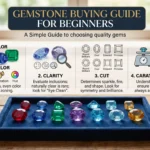
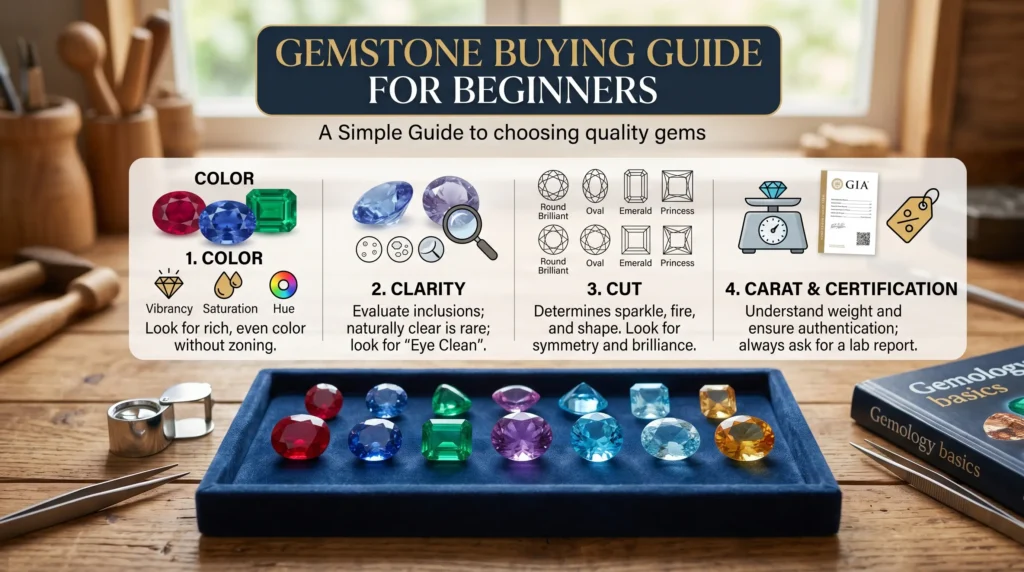
Buying your first gemstone can feel overwhelming, especially with so many options, price ranges, and risks of fake or treated stones in the market. This gemstone buying guide for beginners 2026 is designed to help you confidently choose real sapphires, rubies, emeralds, and other precious gemstones using expert backed strategies. From understanding the 4Cs of colored gemstones (color, clarity, cut, and carat) to identifying certified gemstones with GIA or IGI reports, this guide covers everything you need. Whether your budget is $100 or $10,000, you will learn how to maximize value, avoid scams, and select gemstones that offer both beauty and long-term investment potential. This is your complete roadmap to buying gemstones like a professional.
What Should Beginners Buy First? Top 7 Starter Gemstones Ranked
Choosing the right first gemstone is critical because it sets the foundation for your collection and investment strategy. Beginners should focus on stones that offer durability, affordability, and resale value. The best starter gemstones include sapphire, spinel, tsavorite, garnet, amethyst, citrine, and tourmaline, as they balance beauty with practicality. These gemstones are widely available, easier to verify, and less prone to heavy treatments compared to high-end stones. Additionally, they perform well in jewelry and retain value over time. By starting with these beginner-friendly gemstones, you reduce risk while gaining experience in gemstone quality, pricing, and authenticity.
Best First Gemstone for Beginners – Ceylon Sapphire $500 Entry
A Ceylon sapphire is widely considered the best first gemstone due to its durability (Mohs 9), brilliance, and stable market demand. With entry-level prices starting around $500, beginners can own a high quality gemstone without overspending. The cornflower blue sapphire is especially desirable, offering a balance between affordability and premium appearance. Unlike softer stones, sapphire is suitable for daily wear, making it ideal for rings and jewelry. It also has strong resale value, making it a smart long-term investment.
Safest Gemstone Investment 2026 – Unheated Burmese Ruby
For those looking at investment potential, an unheated Burmese ruby stands out as one of the safest options. Its natural pigeon blood red color commands premium prices, and untreated stones are extremely rare. While entry prices are higher, the long-term appreciation makes it a preferred choice for collectors and investors. Always ensure certification when purchasing such high-value stones.
Gemstones Under $100 for Beginners – Amethyst, Citrine, Garnet
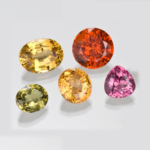
If you’re starting with a limited budget, gemstones like amethyst, citrine, and garnet offer excellent value. These stones are affordable, widely available, and visually appealing. They allow beginners to learn about gemstone quality without significant financial risk while still owning genuine natural stones.
How Much Should I Spend? 2026 Budget Sweet Spots
Budget plays a crucial role in gemstone buying decisions. Beginners should aim for the $300–$2,000 range, which offers the best balance between quality and affordability. Spending too little often results in low-quality or treated stones, while spending too much without knowledge increases risk. Understanding price per carat and market trends helps you make smarter decisions. This range allows access to natural, certified gemstones with good color and clarity, making it ideal for both personal use and investment.
First Gemstone Budget Guide – $300–$2K Optimal Range
The $300–$2,000 range is considered the “sweet spot” for beginners. Within this range, you can purchase high-quality spinel, sapphire, or tsavorite with good color and minimal treatments. This budget ensures you avoid low-grade stones while still staying within a manageable investment level.
Gemstone Price Per Carat 2026 – Market Insights
Understanding price per carat trends helps you evaluate value. For example, sapphires range widely depending on color and origin, while spinel and tsavorite offer better affordability with strong growth potential. Knowing these trends prevents overpaying and improves your buying confidence.
2026 Colored Gemstone 4Cs Hierarchy
| Priority | Factor | Ruby | Sapphire | Emerald |
|---|---|---|---|---|
| 1 | Color | Pigeon Blood | Cornflower | Vivid Green |
| 2 | Clarity | Silk OK | Liquid Feathers | Jardin Garden |
| 3 | Cut | Oval Preferred | Brilliant/Emerald | Emerald Cut |
| 4 | Carat | 2–5ct Sweet Spot | 3–8ct Optimal | 1–3ct Perfect |
Color: 80% Value Driver (Saturation > Tone > Hue)
Color is the most important factor in determining gemstone value, often contributing up to 80% of the price. High-quality gemstones display strong saturation, balanced tone, and pure hue without unwanted undertones. For example, a vivid ruby with intense red color is far more valuable than a larger but dull stone. Understanding color grading helps you prioritize quality over size, ensuring better investment and visual appeal.
Ruby Pigeon Blood Red – Premium Standard
The pigeon blood red ruby represents the highest quality, characterized by a deep, vivid red with slight blue undertones. Avoid stones with brownish or dull tones, as they significantly reduce value.
Sapphire Cornflower Blue – Market Favorite
The cornflower blue sapphire is the most sought-after color, offering a soft yet vibrant blue tone. It is highly desirable for both jewelry and investment.
Emerald Vivid Green – Chromium Saturation
Emerald value depends on its vivid green color, often enhanced by chromium content. Stones with weak color or excessive inclusions are less valuable.
Gemstone Certification Guide (Never Buy Without)
Certification is essential when buying gemstones, as it verifies authenticity, treatments, and origin. Always choose stones with reports from reputable labs like GIA, IGI, or AGL. These certifications provide detailed information about the gemstone, ensuring transparency and trust.
GIA Colored Stone Report – Gold Standard
GIA certification is the most trusted globally, offering accurate and unbiased gemstone analysis.
IGI Certification – Beginner Friendly
IGI reports are widely accepted and provide a good balance between cost and reliability.
AGL Emerald Reports – Treatment Disclosure
AGL specializes in emerald certification, particularly for identifying oil or resin treatments.
Treatment Red Flags 2026
Understanding treatments is critical, as some can drastically reduce value.
- Diffusion sapphire may lose color over time
- Beryllium-treated ruby is artificially enhanced
- Glass-filled emerald has weak durability
Always verify treatment details before purchasing.
Top 7 Beginner Gems 2026 (ROI Projection)
| Rank | Gemstone | Entry Price | Growth | Mohs |
|---|---|---|---|---|
| 1 | Sapphire | $500 | +45% | 9 |
| 2 | Spinel | $300 | +67% | 8 |
| 3 | Tsavorite | $400 | +52% | 7 |
Sapphire: Perfect Beginner Stone (Mohs 9 Durable)
Sapphire is the best all-around gemstone due to its durability, beauty, and market demand. It resists scratches and maintains value over time, making it ideal for daily wear and long-term investment.
Gemstones Under $100
Affordable gemstones like amethyst and citrine provide excellent entry points for beginners.
Gemstones $500–$2K
This range includes high-quality sapphire, spinel, and tsavorite, offering the best balance between price and quality.
Where to Buy Safely 2026
Always buy from certified dealers with return policies and strong reviews. Avoid unverified sellers and marketplaces with no authentication guarantees.
Price Forecasts 2026
Gemstones like spinel and sapphire are expected to show strong growth, making them attractive investments.
Gemstone Settings for Beginners
Choose settings like 4-prong or bezel to balance beauty and protection.
Top 10 Beginner Buying Mistakes
Avoid:
- Buying without certification
- Choosing size over quality
- Trusting unknown sellers
Gemstone Buying Guide FAQ 2026
Ceylon sapphire ($500 entry) – Mohs 9 durable, unheated available, 17% annual appreciation. Perfect first colored stone balancing beauty, durability, investment.
Always GIA/IGI for $500+ stones. No cert = $0 resale value. Home tests catch fakes but lab reports prove authenticity, origin, treatments. Non-negotiable.
$300-$2K sweet spot. Under $100 (amethyst), $500 (spinel/sapphire), $2K (investment grade). Quality over size – 1ct vivid > 5ct dull always.
Color = 80% value driver. Real rubies/emeralds have inclusions (silk/jardin). Perfect clarity = fake. Saturation > tone > hue trumps perfection.
Heat-treated sapphire/ruby = excellent (90% market). Emerald minor oil = acceptable. Avoid diffusion/be filling – surface color fades. Always disclose treatments.
Spinel wins: 40% cheaper, vivid pigeon blood color, no treatments, 21% ROI projection. Mahenge Tanzania spinel = ruby alternative without premium.
GIA-certified dealers only – live video verification, 30-day returns, lab reports included. Avoid Etsy/auctions without certification. USA/UK/Australia focus.
Ceylon sapphire easier: Unheated available, Mohs 9, cornflower blue beauty, $500 entry. Burmese ruby premium pigeon blood but heat common, higher price.
Tsavorite superior: No treatments ever, vivid green, eye-clean possible, $400 entry vs emerald oil filling. Tanzania source beats Colombian complexity.
Ceylon sapphire ($500), Mahenge spinel ($300), Tsavorite garnet ($400). All GIA certifiable, durable, 15-20% appreciation potential.
CONCLUSION (Paragraph Format)
This complete gemstone buying guide equips first-time buyers with the exact roadmap to confidently purchase real sapphires, rubies, emeralds from $100 amethyst starters to $10K investment-grade stones – mastering the 4Cs hierarchy where color drives 80% value, demanding GIA/IGI certification as non-negotiable proof of authenticity, navigating $100-$10K budgets with Ceylon sapphire/spinel/tsavorite sweet spots, and avoiding diffusion treatments, perfect clarity fakes, and uncertified auction traps. Armed with 2026 price forecasts showing spinel +67% growth and sapphire +45% appreciation, you’re ready to build a collection balancing beauty, durability, and investment potential. Explore our birthstone guides for April diamond 4Cs, May emerald jardin, July ruby certification, and September sapphire mastery to apply this knowledge immediately.