An uncut gemstone, also called a rough or raw stone, is a natural gem in the exact form it was pulled from the earth no cutting, faceting, or polishing. Because shaping a stone is the expensive, skilled part of the process, rough gems are usually far cheaper than their finished counterparts. That said, they’re generally a poor investment: gem quality rough is rare, and most rough sold to everyday buyers is lower grade, meant for hobbyists and jewelry designers rather than resale value.
What Exactly Is an Uncut Gemstone?
An uncut gemstone, also called a rough gemstone, is a natural stone in its original state before any cutting, faceting, or polishing takes place. Rough stones come directly from the earth with their natural shape, texture, and surface intact. Unlike cut gemstones, which have carefully shaped facets to enhance brilliance and color, uncut gemstones remain in their raw, untouched form.
What Exactly Is an Uncut Gemstone?
An uncut gemstone, also called a rough gemstone, is a natural stone in its original state before any cutting, faceting, or polishing takes place. Rough stones come directly from the earth with their natural shape, texture, and surface intact. Unlike cut gemstones, which have carefully shaped facets to enhance brilliance and color, uncut gemstones remain in their raw, untouched form.
Why Rough Stones Cost Less Than Cut Gemstones
Rough gemstones usually cost less than finished stones because they have not gone through the skilled cutting and polishing process. Gem cutters carefully shape each stone to maximize beauty, color, and sparkle, but this process requires expertise, time, and precision. Cutting also removes a significant portion of the original stone’s weight. The lost material, craftsmanship, and labor are major reasons why a polished gemstone often has a much higher value than the original rough stone.
Rough, Untreated, and Natural Are Not the Same Thing
Many people confuse the terms rough, untreated, and natural, but they describe different qualities. A rough gemstone specifically means a stone that has not been cut or polished. An untreated gemstone means the stone has not received enhancements such as heating, dyeing, or other treatments — but it can still be fully cut and polished. A gemstone can be natural and untreated while still having a finished shape.
Understanding this difference helps buyers make better choices when shopping for authentic gemstones.
Who Buys Uncut Gemstones?
Uncut gemstones attract different types of buyers. Professional lapidaries purchase high-quality rough stones to cut and transform into finished jewelry gems. Mineral collectors often seek rough crystals because they appreciate the stone’s natural formation and geological beauty. Many jewelry lovers also choose raw gemstones for their unique appearance, organic textures, and modern minimalist designs that highlight the natural character of the stone.
Can You Wear Uncut Gemstone Jewelry Every Day?
Yes, you can wear uncut gemstone jewelry every day when the stone has the right protective setting. Raw gemstones offer a natural, organic look that appeals to people who prefer unique and artistic jewelry designs. Many jewelry makers use rough gemstones in minimalist styles that highlight the stone’s original shape and texture.
Popular Ways to Set Raw Gemstones
Jewelry designers use several methods to showcase raw and uncut gemstones while keeping them secure. Wire-wrapped gemstone jewelry creates a handmade, natural appearance and works well for delicate stones. Bezel settings surround the gemstone with a protective metal edge, making them a practical choice for everyday wear. Some collectors also enjoy raw gemstone pendant pieces, which display the crystal as a natural specimen.
Is Buying Uncut Gemstones a Good Investment?
For most buyers, uncut gemstones are not a guaranteed investment. While rare, large, high-quality rough stones can hold significant value, these pieces are uncommon and often expensive. Most people purchase rough gemstones for their beauty, collecting value, or personal connection rather than financial returns.
How to Judge Whether a Rough Gemstone Is Worth the Price
Evaluating a rough gemstone requires looking at several important factors. Color, clarity, size, crystal quality, and overall condition all influence value. Professional cutters also consider a key question: “How much valuable gemstone could this rough stone produce after cutting?” The potential finished gem yield often determines whether a piece of rough is truly worth its price.
Common Uncut Gemstones You May Find
Types of Uncut Gemstones, Rough Gemstones, and Raw Gemstones
Uncut gemstones, also known as rough gemstones or raw gemstones, come in many varieties, each with its own natural beauty and unique characteristics. These stones remain in their original form before cutting and polishing, allowing collectors and jewelry lovers to appreciate their natural shapes, colors, and textures.
Rough Diamond
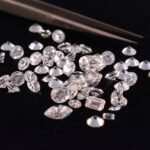
Rough diamonds are among the most famous and valuable uncut gemstones. These natural diamond crystals form deep beneath the earth under extreme pressure and heat over millions of years. Before becoming a polished diamond, each rough diamond goes through careful evaluation to determine its color, clarity, shape, and cutting potential. Collectors often admire rough diamonds for their natural crystal forms and their connection to the earth’s geological history.
Rough Ruby
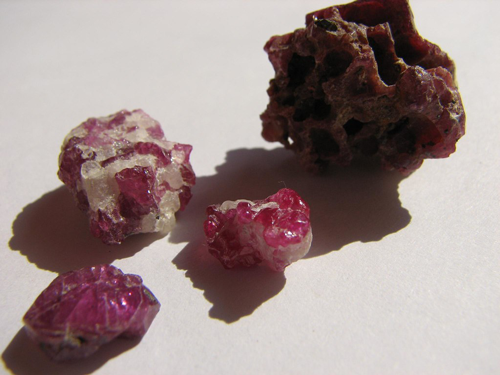
Raw ruby gemstones are treasured for their intense red color and rarity. Before cutting, rough rubies often appear as natural crystal pieces with hidden beauty inside. Gem experts carefully examine rough ruby for its color quality, transparency, size, and potential to become a valuable polished gemstone. High-quality natural rough ruby remains highly desirable among collectors and fine jewelry enthusiasts.
Rough Emerald
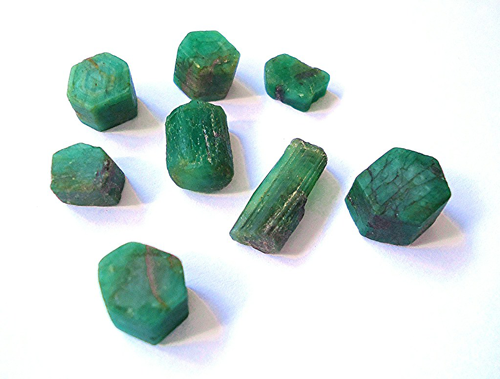
Uncut emeralds are recognized for their stunning green color and unique natural character. Most rough emerald crystals contain internal features called inclusions, which many experts consider part of the gemstone’s identity and proof of natural formation. Collectors value rough emerald specimens for their vibrant color, fascinating crystal structure, and connection to some of the world’s most famous gemstone sources.
Rough Sapphire
Rough sapphires are available in a wide range of natural colors, including blue, pink, yellow, green, and rare fancy shades. Known for their durability and beauty, raw sapphires are popular among both gemstone collectors and jewelry makers. When evaluating a rough sapphire, professionals consider its color, clarity, crystal shape, and how much beauty it can reveal after cutting.
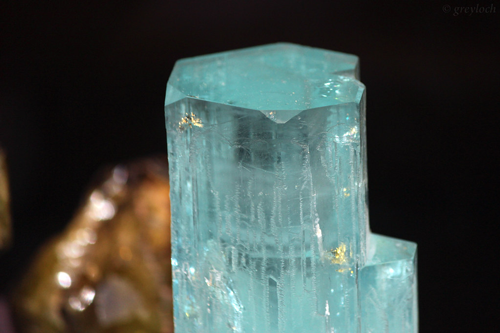
Rough Aquamarine
Raw aquamarine gemstones are loved for their peaceful blue and blue-green colors. Natural aquamarine crystals often grow in beautiful elongated shapes, making them popular as mineral specimens and collector pieces. High-quality rough aquamarine can be transformed into elegant rings, necklaces, and earrings while preserving its natural charm and ocean-like color.
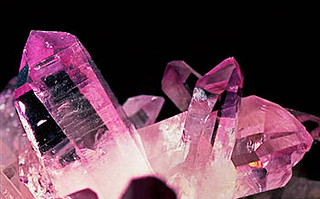
Rough Amethyst
Uncut amethyst is one of the most recognizable raw gemstones because of its rich purple shades and beautiful crystal formations. From small natural crystals to large mineral clusters, rough amethyst appeals to collectors and crystal lovers around the world. Its attractive color, affordability, and unique appearance make it a popular choice for gemstone displays and natural jewelry designs.
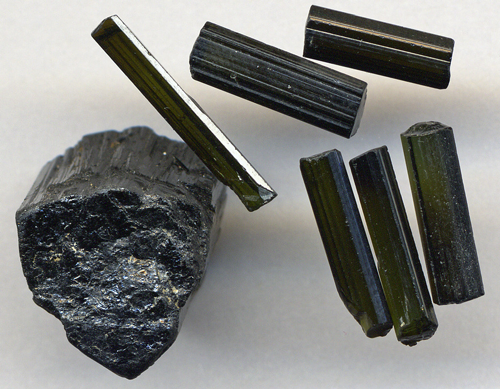
Rough Tourmaline
Raw tourmaline gemstones are famous for their incredible range of colors and natural beauty. Tourmaline crystals can appear in green, pink, blue, red, black, and even multiple colors within the same crystal. Because each rough tourmaline has a unique pattern and formation, collectors highly value these stones for their individuality and rarity.
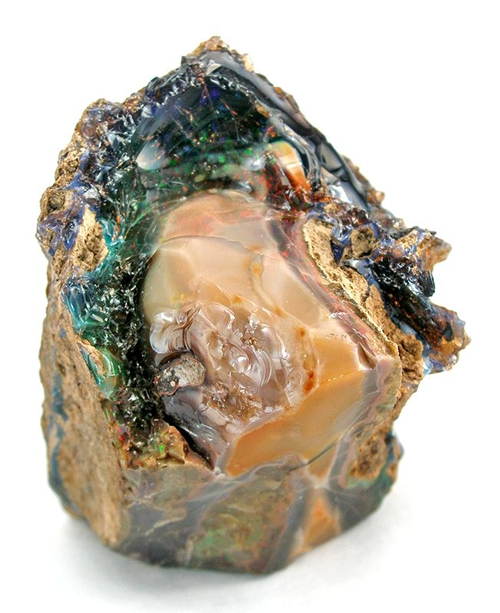
Rough Opal
Uncut opal gemstones are admired for their natural patterns, textures, and mesmerizing play of color. Rough opals reveal the gemstone’s original structure before polishing, allowing collectors to appreciate their unique formations. Varieties such as Australian rough opal and Ethiopian rough opal are especially popular among gemstone enthusiasts because no two pieces look exactly alike.
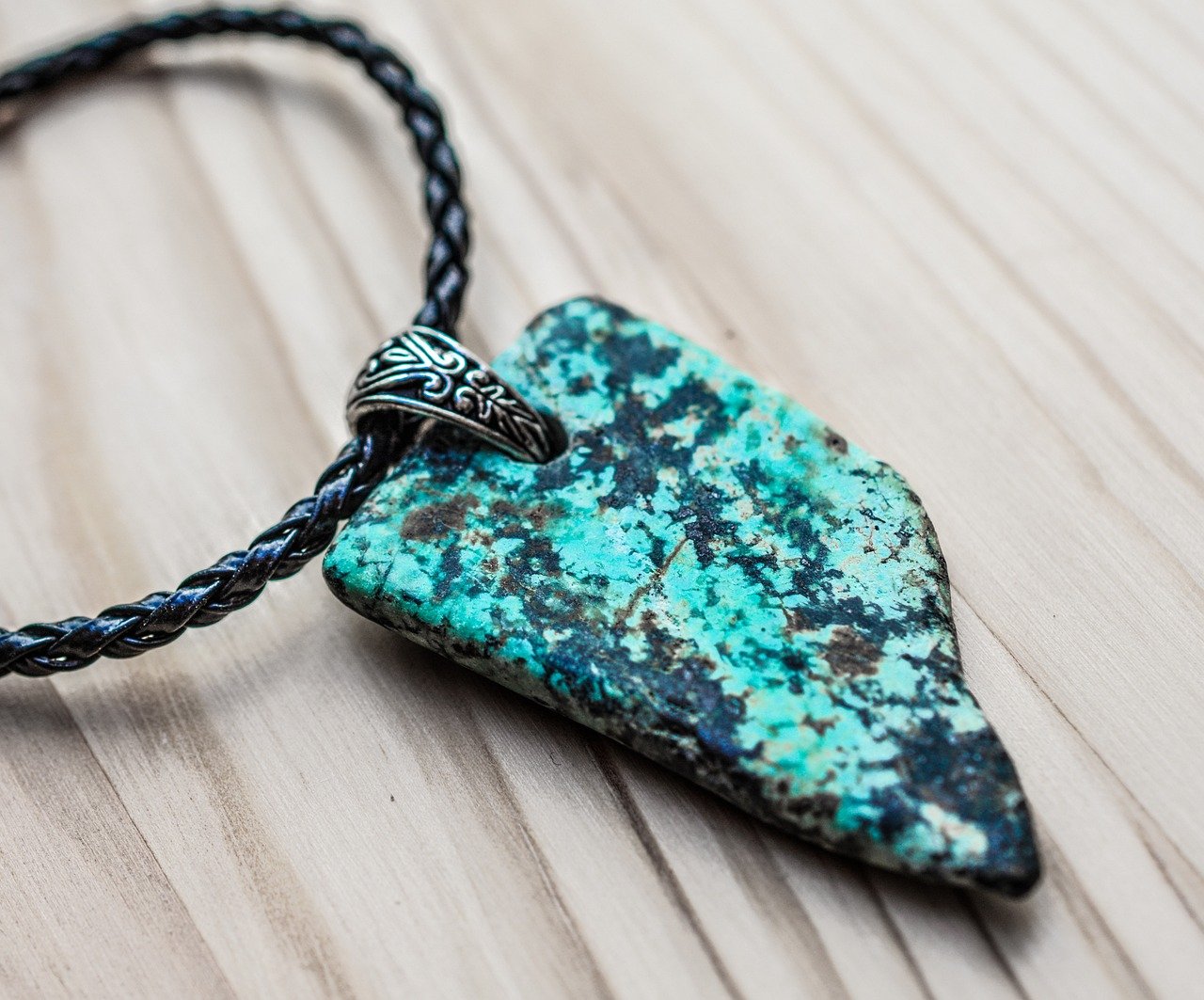
Rough Turquoise
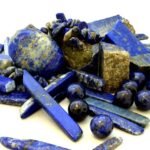
Rough turquoise is a natural gemstone known for its beautiful blue-to-green colors and unique patterns. Unlike polished turquoise, raw turquoise gemstones keep their original shape, texture, and natural markings, making each piece one of a kind. Valued for centuries, turquoise is admired by collectors and jewelry lovers for its earthy beauty, cultural history, and use in handmade turquoise jewelry.
Whether you call them uncut gemstones, rough gemstones, or raw gemstones, these natural treasures offer a fascinating look at a stone’s journey before it becomes a polished piece of jewelry.
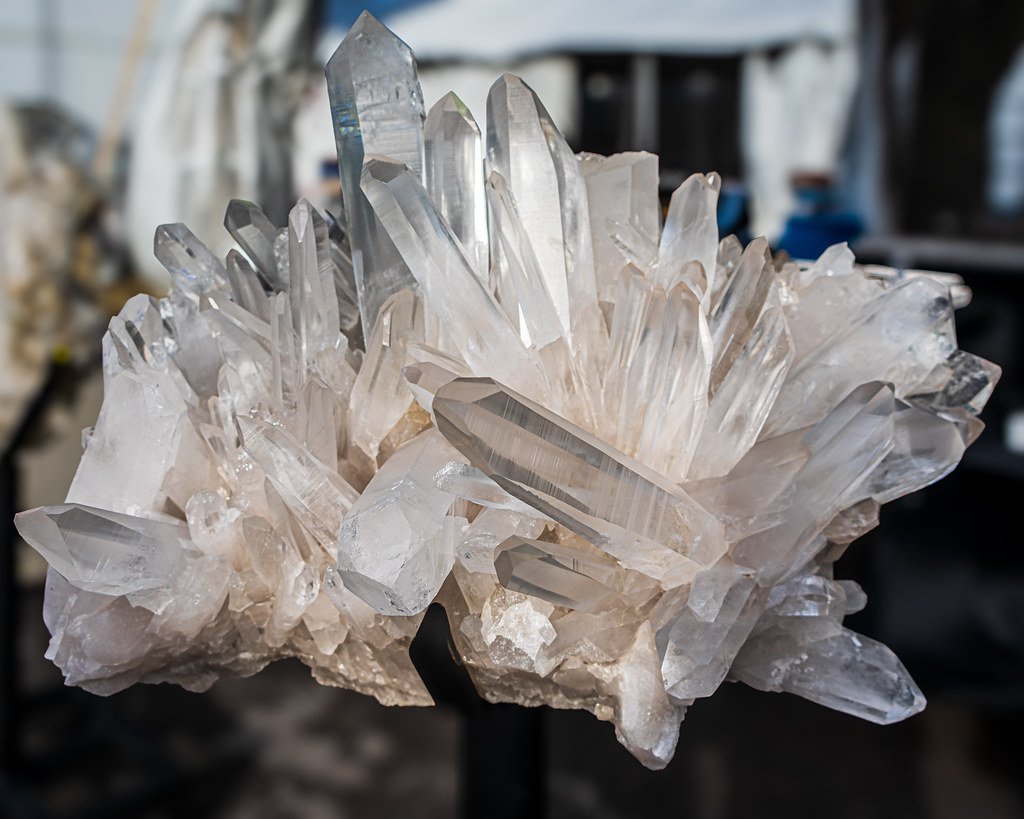
Raw Quartz
Raw quartz is one of the most common and versatile natural gemstones, admired for its clear, white, and colorful crystal formations. Unlike polished quartz, rough quartz crystals maintain their original shape, natural texture, and unique growth patterns. Collectors and crystal enthusiasts value raw quartz for its beauty, durability, and wide variety, including clear quartz, rose quartz, and smoky quartz. Its natural appearance makes it a popular choice for mineral collections, home décor, and unique gemstone jewelry.
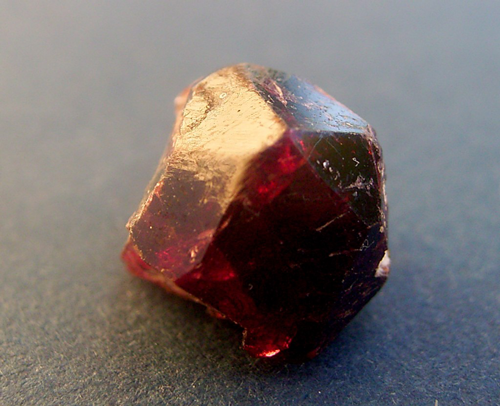
Raw Garnet
Raw garnet is a natural gemstone known for its rich colors, strong crystal formations, and timeless beauty. Found in shades of deep red, orange, green, and more, rough garnet gemstones reveal the stone’s original shape and natural structure before cutting and polishing. Collectors and jewelry lovers appreciate raw garnet for its vibrant appearance, durability, and use in unique gemstone jewelry and mineral collections.

Raw Citrine
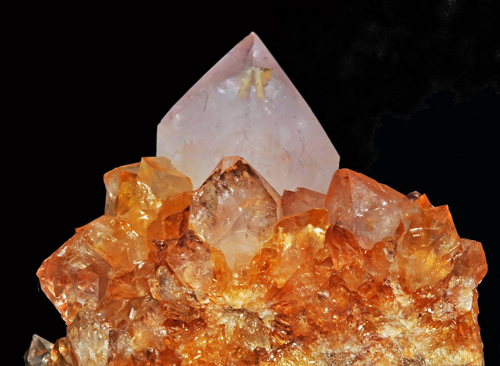
Raw citrine is a natural quartz gemstone admired for its warm yellow to golden-orange colors and beautiful crystal formations. Unlike polished citrine, rough citrine gemstones preserve their original shape, texture, and natural charm. Collectors and gemstone lovers value raw citrine for its sunny appearance, unique formations, and use in natural crystal displays and distinctive citrine jewelry.
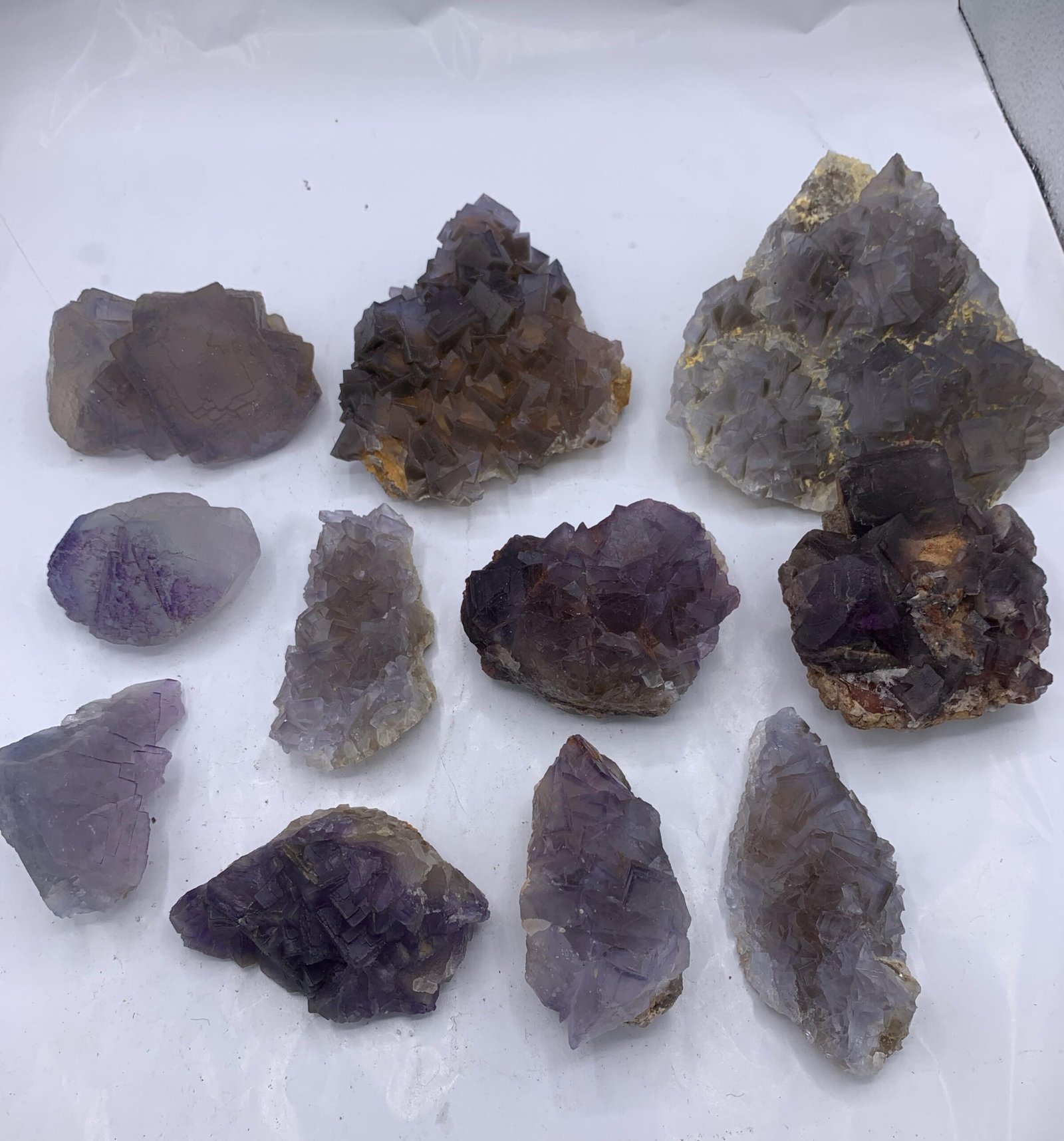
Raw Fluorite
Raw fluorite is a colorful natural gemstone known for its striking crystal shapes and vibrant shades of purple, green, blue, yellow, and clear. Unlike polished fluorite, rough fluorite crystals maintain their natural formations, unique patterns, and original beauty. Collectors and crystal enthusiasts appreciate raw fluorite for its eye-catching colors, mineral value, and use in gemstone collections, décor, and unique crystal displays.
Why Choose Uncut Gemstones, Rough Gemstones, and Raw Gemstones?
More people choose uncut gemstones, rough gemstones, and raw crystals for their natural shapes, textures, and earthy energy. These stones keep their pure vibration and work well for chakra healing, spiritual growth, and grounding rituals. Raw gemstones often carry stronger energy because they stay unaltered by cutting or polishing. Popular searches like “benefits of rough gemstones” and “why choose raw crystals” show this growing interest. From rough star sapphires to uncut quartz clusters, these gems connect you directly with nature’s power. They add rustic, authentic beauty to modern jewelry, making every piece unique and meaningful.
Healing Benefits of Raw Uncut Gemstones: Unlock Nature’s Pure Energy
Raw uncut gemstones retain their natural form and untouched energy, making them powerful tools for healing, meditation, and spiritual growth. Their unprocessed state is believed to amplify vibrational energy, helping to balance chakras, reduce stress, and promote emotional clarity. Using these stones in daily practice allows you to connect directly with the earth’s natural energy, unlocking benefits that polished or faceted gems may not fully offer.
Uncut Gemstone Identification: Rough Mineral Guide
Identifying an uncut gemstone requires careful observation of its natural features, including color, crystal shape, texture, transparency, and surface patterns. Unlike polished stones, rough gemstones may not show their full beauty until they are cut, so experts examine their structure and characteristics to determine the gem type and quality.
Key factors in rough gemstone identification include mohs hardness, natural crystal formation, mineral composition, and the presence of unique markings or inclusions. Tools such as a jeweler’s loupe, hardness tester, and refractometer can help professionals accurately identify raw stones. Whether you are collecting raw gemstones, buying rough crystals, or searching for natural stones for jewelry, learning basic identification methods helps you understand the true value and authenticity of each gemstone.
How to Use Uncut and Raw Gemstones in Daily Life: Practical Tips for Everyday Energy
Uncut and raw gemstones can be easily used in daily life to support balance and positive energy. Keeping raw crystals like amethyst, clear quartz, or citrine on a desk or bedside promotes focus, calmness, and motivation. Carrying uncut stones such as black tourmaline or hematite offers grounding and protection throughout the day. Regular cleansing with moonlight or incense helps maintain their natural healing energy.
Uncut Gemstones: A Beginner’s Guide to Raw Beauty and Natural Energy
Uncut gemstones, also called rough gemstones or raw gemstones, are natural stones in their original form before cutting, shaping, or polishing. Unlike finished gemstones, rough stones display their natural crystal structure, textures, and unique formations, giving collectors a closer connection to the way gemstones form in the earth.
For beginners, exploring uncut gemstones is an exciting way to learn about minerals, gemstone origins, and natural beauty. Popular rough gemstones include diamond, ruby, emerald, sapphire, amethyst, quartz, opal, and turquoise. When choosing a raw gemstone, consider factors such as color, crystal shape, clarity, size, and authenticity.
Whether you want to start a mineral collection, create unique raw gemstone jewelry, or simply appreciate nature’s creations, uncut gemstones offer a fascinating journey into the world of natural stones.
Uncut Gemstone Origins: Geological Rough Stories
Every uncut gemstone begins with a unique geological story shaped by millions of years of natural processes. Rough gemstones form deep within the Earth through intense heat, pressure, volcanic activity, and mineral-rich environments. These conditions create the beautiful crystals, colors, and patterns that make each raw gemstone one of a kind.
From rough diamonds formed deep beneath the Earth’s surface to raw opals created through ancient water deposits, every gemstone carries clues about its origin. Ruby, emerald, sapphire, quartz, and turquoise each develop under different geological conditions, giving them their own distinctive characteristics.
Understanding the origins of natural rough gemstones helps collectors and gemstone lovers appreciate their true value. Before becoming polished jewelry, these stones exist as raw treasures that showcase the fascinating history of our planet.
FAQs About Uncut, Rough, and Raw Gemstones
Rough means the stone hasn’t been cut at all. Untreated refers to a stone (which may already be cut and polished) that hasn’t had its color or clarity artificially enhanced. A stone can be untreated but still fully cut.
Yes, usually significantly. Cutting and polishing is skilled, time consuming work, and a large portion of the rough’s original weight is lost in the process both of which add cost to a finished stone.
Generally, no. Most rough sold to everyday buyers is lower quality material meant for hobby cutting or casual jewelry, not resale value. Only rare, large, exceptionally clean rough holds real investment grade worth, and that’s a specialist market.
Yes wire wrapped pendants and bezel set rings are the most common ways to wear raw stones, and the look has become popular for its natural, organic style.
Look at clarity (fewer visible inclusions is better), color depth and evenness, and size. Serious buyers also estimate what the stone could yield once cut, since a large rough often loses half or more of its weight during cutting.
Diamond, ruby, emerald, sapphire, and aquamarine are among the most commonly available rough stones for collectors and cutters.
Look for rich color, solid structure, and minimal cracks. Trust your intuition when picking raw stones.
Yes! Some raw gems, like uncut diamonds or rough star sapphires, can be valuable for collectors and healers.
Buy from trusted crystal shops or reputable online stores that offer genuine, ethically sourced rough stones.
Try clear quartz, amethyst, or black tourmaline. These stones are easy to find and great for daily energy work.
Conclusion
Uncut gemstones, rough gemstones, and raw gemstones offer a unique connection to the Earth’s natural beauty and fascinating formations. Their untouched shapes, textures, and colors attract collectors, jewelry lovers, and crystal enthusiasts who appreciate authentic stones with a natural character.
Unlike polished gems, raw stones preserve their original appearance and geological story. Whether used for meditation, mineral collections, or handmade raw gemstone jewelry, these natural treasures bring a sense of individuality and meaning. For anyone seeking a gemstone that feels unique, organic, and truly connected to nature, rough gemstones are a beautiful choice.