Amber isn’t a mineral like most gemstones it’s fossilized tree resin, formed over 25 to 50 million years as ancient tree sap hardened underground. Because it’s rare and prized (especially pieces containing preserved insects), the market is flooded with plastic and synthetic lookalikes. The simplest home test: real amber floats in salt water, while plastic imitations sink. Genuine amber with rare, well preserved insect inclusions can sell for hundreds to tens of thousands of dollars.
What Is Amber?
Amber gemstone is a rare and fascinating organic gem created from the fossilized resin of ancient trees over millions of years. Unlike traditional gemstones, amber is not a mineral because it lacks a crystal structure; instead, it is a natural fossil material valued for its warm golden color, lightweight feel, and unique inclusions. Many natural amber stones contain preserved plants, insects, and other ancient traces, making each piece one of a kind. Popular varieties such as Baltic amber are highly prized by collectors for their beauty, history, and exceptional natural character.
Amber Gemstone: Meaning, Authenticity Tests, Inclusions, and Value Guide
What Is Amber? (It’s Not a Mineral)
Amber is a unique organic gemstone formed from the fossilized resin of ancient trees that lived millions of years ago. Unlike traditional gemstones such as sapphire or ruby, amber is not a mineral because it does not have a crystal structure. Over a long period of time, tree resin hardened, transformed, and preserved its natural golden beauty, sometimes capturing ancient plants, insects, and other small organisms inside.
How to Tell If Amber Is Real: 3 Simple Tests
With many imitations made from plastic or glass, knowing how to identify real amber is important. A few simple tests can help:
- Saltwater test: Genuine amber is lightweight and can float in a strong saltwater solution, while most plastics and glass pieces sink.
- Scent test: When gently warmed, real amber may release a soft pine-like or resinous smell, while plastic usually produces a sharp chemical odor.
- Weight and warmth: Natural amber feels surprisingly light and warm compared to glass or synthetic materials, which often feel heavier and colder.
Are the Insects Inside Amber Real?
One of amber’s most fascinating features is its natural inclusions. Authentic amber with insect fossils can preserve tiny creatures from millions of years ago, creating a rare window into ancient life. Real inclusions usually show natural details, irregular patterns, and tiny air bubbles formed during the fossilization process. Fake amber often contains perfectly arranged bubbles or modern insects and animals that could not have existed when the amber formed.
How Much Is Amber Worth?
The value of amber gemstones depends on color, clarity, size, and the rarity of inclusions. Common clear amber pieces are usually affordable, while rare varieties such as blue amber, red amber, and specimens with well-preserved insect inclusions can reach much higher prices. Exceptional amber fossils with unique natural features have sold for tens of thousands of dollars at specialized auctions, making rare amber pieces highly desirable among collectors.
Healing Properties and Metaphysical Benefits of Amber
Amber is often classified as a healing Amber crystal with natural pain-relief properties. Many cultures believe that wearing Baltic amber jewelry promotes emotional balance and positive energy. It is said to absorb negative energies and enhance vitality. The Amber is also associated with Amber birthstone traditions, symbolizing courage, warmth, and protection.
Amber Teething Necklaces: Are They Safe?
Amber teething necklaces have gained popularity among parents seeking natural pain relief for their babies. It is believed that Baltic amber teething necklaces release succinic acid, which helps soothe teething discomfort. However, safety concerns have been raised regarding choking hazards. Parents are advised to use Amber teething bracelets or Amber teething anklets under supervision to minimize risks.
How to Identify Real Amber vs. Fake Amber
With Amber’s increasing popularity, fake versions made from plastic or synthetic Amber resin have flooded the market. Genuine Amber is lightweight, warm to the touch, and has a unique piney smell when burned. Conducting a saltwater test or UV light test can help distinguish real Amber from imitations. Always purchase from a reputable Amber shop or Amber store to ensure authenticity.
The Different Colors of Organic Amber Gemstones
Organic amber gemstones come in a beautiful range of natural colors, each with its own unique appeal and value. The most common amber color is warm golden yellow, but natural amber can also appear in shades of honey, cognac, cherry red, white, and rare blue tones. Baltic amber is especially famous for its rich golden hues and high-quality specimens. The color of amber depends on the original tree resin, natural aging process, and mineral conditions over millions of years, making every amber gemstone truly unique.
Golden and Yellow Amber – The Classic Hue
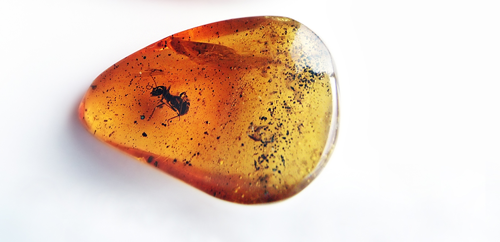
Golden and yellow amber are the most classic and recognizable amber colors, admired for their warm glow and natural beauty. These shades range from soft honey yellow to rich golden tones, often associated with traditional Baltic amber gemstones. Their bright appearance comes from the natural aging process of ancient tree resin over millions of years. Popular for jewelry and collectors’ pieces, golden amber remains one of the most loved and widely available amber varieties.
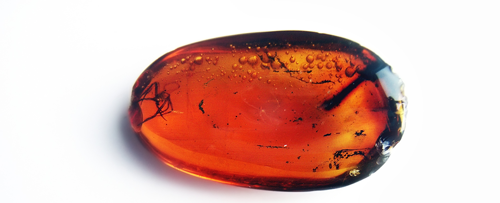
Red Amber – The Fiery and Rare Shade
Red amber is a rare and captivating amber variety known for its deep cherry, reddish-brown, and fiery tones. This unique color develops through natural aging, oxidation, and changes in the ancient tree resin over millions of years. Highly valued by collectors, genuine red amber stands out for its warm glow, rarity, and distinctive appearance, making it a prized choice for unique amber jewelry and gemstone collections.
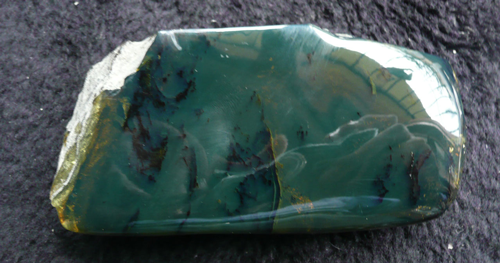
Green Amber – The unfamiliar Beauty from the Tropics
Green amber is a rare and unusual amber variety admired for its natural olive, mossy, and greenish tones. Unlike the more common golden amber, green amber often comes from tropical regions and gets its distinctive color from natural organic materials, minerals, and preservation conditions during fossilization. Its unique appearance and limited availability make green amber a fascinating choice for collectors and jewelry lovers seeking a gemstone with an uncommon natural charm.
Blue Amber – The Mysterious and Most Valuable Variety
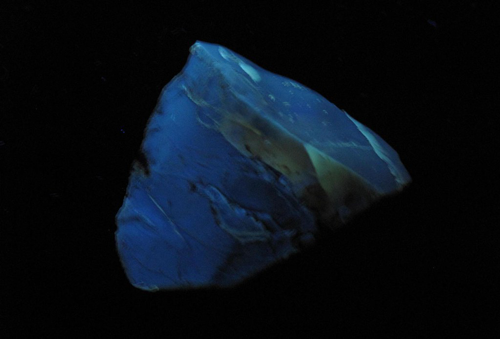
Blue amber is one of the rarest and most fascinating amber varieties, known for its mysterious blue glow that appears under certain lighting conditions. Unlike traditional golden amber, blue amber can show a striking blue or greenish blue fluorescence caused by its unique natural composition. Mainly associated with the Dominican Republic, this rare amber is highly valued by collectors for its scarcity, unusual optical effect, and exceptional beauty.
How to Care for Amber Jewelry
Amber jewelry needs gentle care because amber is a soft organic gemstone with a 2–2.5 rating on the Mohs hardness scale. To protect its natural shine, keep amber pieces away from harsh chemicals, perfumes, and high heat. Store them separately from harder gemstones to prevent scratches, and clean them only with a soft, damp cloth. With proper care, amber jewelry can maintain its warm glow and natural beauty for many years.
FAQs About Amber
The saltwater test is the simplest: dissolve salt into water until it’s strongly saline, then drop the piece in. Real amber floats; plastic and most synthetic imitations sink.
Amber is not a mineral it’s fossilized tree resin that hardened over 25 to 50 million years, which is why it’s classified as an organic gemstone rather than a mineral.
Not always. Genuine inclusions show natural, irregular air bubble patterns from the insect’s movement while trapped. Perfectly uniform bubbles, or inclusions of modern creatures like frogs, are signs of a fake.
Plain, clear amber is relatively affordable. Rare colors like blue or red amber, and pieces with significant, well preserved insect inclusions, can sell for hundreds to tens of thousands of dollars.
Not especially amber rates only 2 to 2.5 on the Mohs hardness scale, making it soft and prone to scratching, so it’s better suited to pendants and earrings than rings worn daily.
Genuine amber releases a faint, pleasant piney or resinous scent when gently warmed, since it’s a natural tree resin. Plastic imitations smell like burning chemicals instead.
Conclusion – The Timeless Beauty of Amber Gemstones
Amber gemstones are truly unique because they are not minerals but ancient fossilized tree resin that preserves millions of years of natural history. From golden Baltic amber to rare blue and red varieties, each piece carries its own color, character, and story. With fascinating inclusions, lightweight comfort, and a warm natural glow, amber remains a treasured organic gemstone for collectors and jewelry lovers. Its beauty, rarity, and connection to the ancient world make amber a timeless gemstone unlike any other.