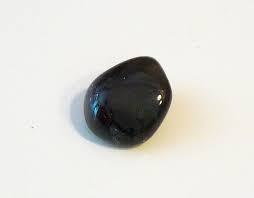
Apache Tears are among the most emotionally significant stones in the obsidian family, recognized worldwide as a powerful grief healing crystal, grounding protector, and symbol of emotional resilience. These naturally formed obsidianite nodules originate from volcanic eruptions where molten glass cools inside perlite formations, creating small rounded stones that appear opaque black but glow translucent brown when held against light. Collectors, healers, and jewelry designers value Apache Tears gemstones not only for their geological uniqueness but also for their deep spiritual symbolism connected to emotional healing, trauma release, and root chakra protection. In 2026, demand for authentic Apache Tears continues to grow as more people search for natural grounding stones, authentic metaphysical crystals, and meaningful healing jewelry that combines scientific fascination with spiritual tradition.
Apache Tears Meaning & Properties: Grief Stone Complete Guide
What Are Apache Tears? Obsidianite Spiritual Meaning
Apache Tears are small nodules of natural volcanic glass formed when rhyolitic lava cools rapidly, trapping water that later creates perlite cavities. These nodules break free and weather into rounded pebbles, producing the stones widely sold today. Spiritually, many traditions describe Apache Tears meaning as emotional grounding, sorrow transformation, and protection during times of grief or major life transitions. Their gentle energetic profile distinguishes them from more intense obsidian varieties, making them especially popular for beginners entering crystal healing practices.
Apache Tears Benefits for Grief, Mourning & Emotional Healing
Practitioners often use Apache Tears crystals during mourning rituals, meditation, or emotional release sessions because their stabilizing energy supports gradual healing rather than sudden emotional confrontation. Many users report improved emotional balance, reduced anxiety during loss recovery, and greater ability to process painful memories without emotional overwhelm. While metaphysical effects remain subjective, the symbolic ritual of holding a grounding stone during grief counseling or meditation can provide meaningful psychological comfort.
Apache Tears Metaphysical Properties: Root Chakra Protection
In chakra-based traditions, Apache Tears root chakra stones help stabilize emotional energy, strengthen feelings of safety, and restore a sense of grounding after emotional shocks. Some practitioners also associate them with the heart chakra because of their connection to emotional release, creating a dual grounding and healing energy combination rarely found in other obsidian stones.
Apache Tears vs Obsidian: Complete Energy Comparison
Apache Tears vs Black Obsidian – Gentle vs Intense Energy
Although both stones consist of volcanic glass, Apache Tears vs black obsidian comparisons highlight their energetic differences. Solid black obsidian forms as large massive flows and often carries a reputation for intense emotional clearing. Apache Tears, by contrast, formed as isolated nodules, symbolically representing a softer, gradual emotional release process. Many healers recommend Apache Tears for sensitive individuals who prefer gentle grounding rather than rapid emotional excavation.
Apache Tears vs Snowflake Obsidian Healing Differences
Snowflake obsidian contains cristobalite inclusions that create distinctive white patterns and is often associated with emotional balance and pattern recognition. Apache Tears emphasize grief support and grounding. Users often combine the two stones to balance emotional awareness with emotional stabilization.
Real Apache Tears Identification – Avoid Fakes & Tumbled Glass
Authentic stones appear opaque black but show brown translucency when placed against bright light. Artificial glass imitations remain uniformly opaque or overly glossy. Natural pieces also display slightly uneven surfaces or weathered textures when raw, unlike perfectly smooth machine formed glass beads.
Apache Tears Gemstone Specifications: Mohs 5–5.5 Technical Data
Composition: Volcanic Glass Perlite Nodules
Apache Tears consist primarily of silica rich volcanic glass formed within perlite structures. Their rounded shapes result from natural weathering rather than mechanical tumbling alone.
Physical Properties: RI 1.46–1.66, SG 2.35–2.6
Gemologically, Apache Tears share optical properties with other obsidian varieties, including refractive index ranges between 1.46 and 1.66 and specific gravity averaging around 2.4. These measurements help gemologists confirm authenticity during testing.
Hardness Mohs 5 – Jewelry Durability Rating
With a Mohs hardness scale of 5–5.5, Apache Tears remain suitable for pendants, worry stones, and earrings but require protective settings in rings to prevent scratches or impact damage.
Apache Tears Complete Specs Table
| Property | Apache Tears | Black Obsidian | Snowflake Obsidian |
|---|---|---|---|
| Mohs | 5–5.5 | 5–5.5 | 5–5.5 |
| RI | 1.46–1.66 | 1.46–1.66 | 1.46–1.66 |
| SG | 2.35–2.6 | 2.35–2.6 | 2.35–2.6 |
| Energy | Gentle | Intense | Softening |
| Chakra | Root / Heart | Root | Root / Sacral |
Apache Tears Legend: Historical Cultural Story
Traditional Southwestern folklore describes Apache Tears as stones formed from the tears of mourning families after a historic battle involving Apache warriors. Whether interpreted symbolically or historically, this legend transformed the stone into a global symbol of remembrance, emotional strength, and resilience. Today, the cultural narrative remains an important part of the stone’s identity, connecting geological formation with human storytelling traditions.
Apache Tears Grief Healing: Emotional Recovery Applications
Apache Tears for Grief & Loss
Many therapists and spiritual counselors encourage grounding objects during grief processing. Holding Apache Tears grief stones during meditation, journaling, or reflection can create a calming ritual that supports emotional acceptance.
Apache Tears for Depression & Emotional Balance
The grounding symbolism of volcanic stones often appeals to individuals seeking stability during emotionally unstable periods. While not a medical treatment, the mindfulness practice associated with crystal rituals can support relaxation and emotional centering.
Apache Tears Trauma Healing & Emotional Release
Because the stone represents gradual emotional transformation, practitioners often incorporate it into trauma release breathing exercises, grounding therapy sessions, or mindfulness meditation practices.
Apache Tears Chakra Healing: Root & Heart Activation
Root Chakra Grounding
Apache Tears help reinforce emotional safety, stability, and physical grounding practices such as breath awareness and body centered meditation.
Heart Chakra Healing
Their association with grief healing also symbolically connects them to emotional openness, forgiveness practices, and emotional resilience training.
Third Eye Protection
Some traditions believe the stone creates psychic protection by grounding excess intuitive sensitivity, helping individuals remain emotionally balanced while exploring spiritual practices.
Buy Real Apache Tears: Quality Guide & Price Factors
Authentic stones originate mainly from volcanic regions of the American Southwest and parts of Mexico. Pricing depends on translucency, polish quality, size, and rarity of raw nodules. Jewelry grade pieces with strong translucency typically command higher prices, while rough nodules remain affordable collector specimens. When purchasing real Apache Tears for sale, buyers should request origin details, translucency confirmation, and authenticity assurances.
Apache Tears Healing Rituals & Crystal Grids
Common practices include placing stones under moonlight for symbolic cleansing, holding them during meditation for grounding, or arranging them with complementary stones such as smoky quartz or rose quartz in emotional healing crystal grids. These ritual practices combine mindfulness techniques with symbolic spiritual traditions that many users find emotionally supportive.
Apache Tears Mining Locations & Geological Origins
Major deposits occur in volcanic terrains where rhyolitic lava flows created perlite formations. Weathering processes gradually release the nodules, allowing collectors to find them in desert environments or volcanic fields. Geological interest in Apache Tears continues because they demonstrate classic volcanic glass hydration and weathering processes.
Apache Tears Jewelry & Accessories
Because of their smooth rounded shapes, Apache Tears frequently appear as healing necklaces, meditation beads, worry stones, and grounding pendants. Jewelry designers favor bezel settings or protective mountings that reduce the risk of chipping while preserving the stone’s natural appearance.
Apache Tears in Raw and Tumbled Forms
Both raw and tumbled Apache Tears offer unique benefits and uses. Raw stones are preferred by energy workers and collectors for their natural vibrations and visual authenticity. They are often used in altar setups, crystal grids, or as meditation anchors. Tumbled Apache Tears, on the other hand, are smoothed and polished for a tactile experience, making them ideal for pocket stones, worry stones, or elegant jewelry. Each form serves a distinct purpose raw stones radiate primal Earth energy, while tumbled versions provide a soothing, touchable surface ideal for daily comfort and spiritual grounding.
The Legend Behind Apache Tears Gemstone
The story of Apache Tears is rooted in Native American folklore, particularly among the Apache team. According to legend, a group of Apache warriors, facing defeat by the U.S. Cavalry, chose to leap off a cliff rather than be captured. When their families discovered what had happened, the women cried tears of sorrow, which turned into black stones upon touching the earth. These “Indian tear stones” are believed to carry the pain and strength of the Apache people, symbolizing protection, grief relief, and emotional resilience.
What Are Apache Tears stone? Understanding Their Formation & Composition
Apache Tears are a variety of obsidian, a natural volcanic glass formed when lava cools rapidly. Unlike regular obsidian, which forms in solid, sharp edged masses, Apache Tears develop into smooth, rounded nodules due to the perlite matrix they are found in. These stones can range in size from pea sized to larger specimens, with a deep black color that appears translucent when held against the light. Their chemical composition includes silica, iron, and magnesium, giving them a glossy yet porous texture.
Characteristics of Apache Tears stone
The natural volcanic glass known as “Apache Tear” is a kind of black obsidian that is created when lava cools quickly. The namesake of these stones, which have a distinctive look and metaphysical qualities, comes from Native American mythology. Some of Apache Tear’s salient features are as follows:
Apache Tears Care & Cleansing Methods
Due to moderate hardness, stones should be cleaned using mild soap and water rather than ultrasonic cleaners. Storing them separately from harder gemstones prevents scratches, while occasional polishing maintains their smooth finish.
Best FAQs About Apache Tears
They consist of silica rich volcanic glass formed inside perlite nodules.
Many users employ them symbolically in meditation and grounding rituals during emotional recovery.
Major deposits occur in volcanic regions of North America and Mexico.
Yes, they are a naturally occurring form of obsidian formed as small nodules.
Yes, especially pendants and worry stones, though protective settings are recommended.
Absolutely! Wearing Apache Tear jewelry provides constant protection and grounding.
Yes, like all healing crystals, they should be regularly recharged to maintain their energy.
The Root Chakra, which is responsible for grounding and stability.
Hold it to the light real Apache Tears are translucent, while fake ones remain opaque.
Reputable crystal shops, online stores, and gemstone expos are the best sources.
Yes, they can be tumbled and polished to enhance their appearance.
Conclusion
The enduring popularity of Apache Tears gemstones comes from their rare combination of geological uniqueness, cultural symbolism, and emotional meaning. Whether studied as volcanic glass formations, collected as mineral specimens, or used in grounding rituals, these stones continue to hold a respected place among both gemological enthusiasts and spiritual practitioners seeking meaningful natural minerals.