Beryl gemstone represents one of the most important mineral families in gemology, producing world famous stones such as emerald, aquamarine, morganite, heliodor, goshenite, and red beryl. This aluminum beryllium cyclosilicate forms under unique geological conditions that allow trace elements to create a remarkable spectrum of colors, making the beryl mineral group one of the most commercially valuable and scientifically significant gemstone families. From luxury jewelry markets to collector specimens and metaphysical traditions, beryl gemstones dominate global demand because they combine durability, clarity potential, and vibrant color saturation. Understanding beryl gemstone meaning, properties, varieties, value factors, and identification is essential for collectors, investors, and jewelry buyers seeking long term gemstone value.
What Is the Beryl Gemstone?
Beryl is a cyclosilicate mineral composed primarily of beryllium aluminum silicate (Be₃Al₂Si₆O₁₈) that crystallizes in hexagonal prisms and forms in granite pegmatites and hydrothermal veins. What makes beryl gemstones extraordinary is the way trace elements such as chromium, vanadium, iron, manganese, and cesium alter the crystal structure to produce different colors, each forming a separate gemstone variety. Because the mineral maintains a hardness of 7.5–8 on the Mohs hardness scale, beryl stones offer excellent durability for rings, pendants, and heirloom jewelry. Their clarity range from eye clean transparent gems to included emerald crystals also creates wide price diversity, making beryl gemstones accessible across luxury and mid range markets.
Major Varieties of Beryl Gemstones
Emerald (Green Beryl)
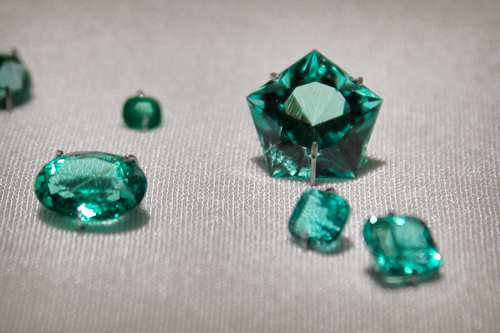
Emerald gemstone, colored by chromium or vanadium, stands as the most valuable member of the beryl gemstone family. Its intense green color symbolizes prosperity, renewal, and emotional balance, while fine Colombian and Zambian emeralds command premium global prices. Unlike many transparent gemstones, emeralds commonly contain inclusions known as “jardin,” which confirm natural origin and increase collector appeal when aesthetically pleasing. Because of their rarity and historic prestige, emerald gemstones consistently rank among the top investment-grade colored stones worldwide.
Aquamarine (Blue Beryl)
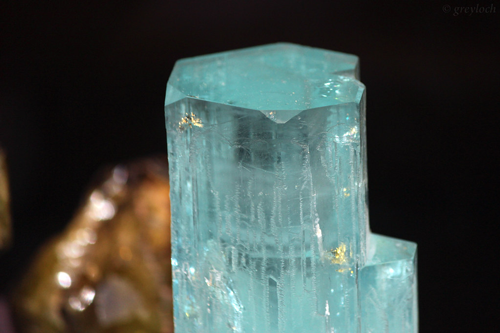
Aquamarine gemstone obtains its serene blue color from iron traces and remains highly popular in fine jewelry due to its excellent clarity and affordability compared to emerald. Known as the March birthstone, aquamarine symbolizes calmness, communication, and protection during travel. High-quality deep blue aquamarine gemstones from Brazil, Pakistan, and Madagascar often achieve strong market demand because their larger crystal sizes allow production of impressive faceted stones.
Morganite (Pink Beryl)
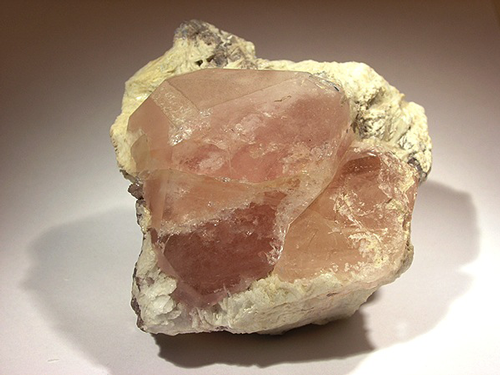
Morganite gemstone, the delicate pink variety colored by manganese, has rapidly gained popularity in modern bridal jewelry markets. Its soft peach pink tones pair beautifully with rose gold settings, making morganite engagement rings a growing trend among buyers seeking unique alternatives to diamonds. In metaphysical traditions, morganite crystal represents compassion, emotional healing, and heart centered energy, further increasing its lifestyle and wellness appeal.
Heliodor, Goshenite, and Red Beryl
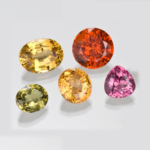
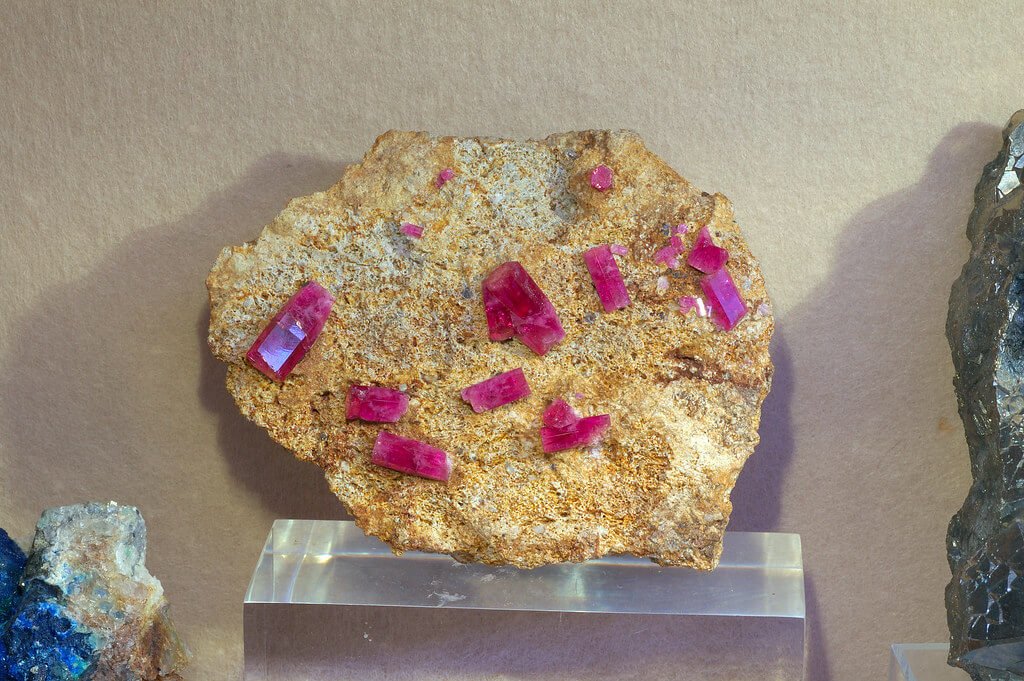
Heliodor (golden beryl) displays bright yellow to golden hues, while goshenite represents the pure colorless form historically used as an early gemstone lens material. The rarest member, red beryl (bixbite), occurs primarily in Utah and ranks among the world’s rarest collector gemstones, often exceeding emerald prices per carat due to limited deposits and small crystal sizes.
Beryl Gemstone Meaning and Healing Symbolism
Across historical cultures, beryl gemstones symbolize clarity, intelligence, emotional balance, and spiritual protection. Each color variety carries its own metaphysical associations emerald with growth and prosperity, aquamarine with calm communication, morganite with compassion, and golden beryl with confidence and success. Crystal practitioners often use beryl stones during meditation to enhance focus, stabilize emotions, and encourage long term personal transformation. While these traditions vary across cultures, the consistent theme surrounding beryl crystal meaning centers on harmony, mental clarity, and positive life direction.
Emotional Healing and Balance:
Beryl gemstones, particularly emerald and aquamarine, are believed to possess profound emotional healing properties. Emerald, with its rich green hue, is thought to foster emotional renewal, promote peace, and relieve stress. Aquamarine, with its soothing blue-green tones, is often associated with promoting inner calm, reducing anxiety, and offering a sense of emotional clarity. Both gemstones are widely used to restore balance and emotional well-being.
Physical Healing and Vitality:
Beryl gemstones are also highly regarded in crystal healing for their potential physical benefits. Aquamarine, for example, is believed to support the immune system and promote overall physical wellness. Morganite, a delicate pink variety of beryl, is said to aid in maintaining a healthy heart and boost vitality. The colorless variety of beryl, known as goshenite, is associated with enhancing clarity and focus, making it a valuable tool for mental and physical well-being.
Spiritual Growth and Intuition:
Beyond physical and emotional healing, beryl gemstones are also thought to facilitate spiritual development. Emerald is often considered a stone that enhances intuition, encourages spiritual growth, and fosters deeper connections with one’s inner self. On the other hand, aquamarine is prized for its ability to improve self-expression and encourage clear communication, both in spiritual practice and in daily life.
Enhancing Relationships:
The pink variety of beryl, most notably morganite, is closely linked with love, compassion, and nurturing. It is commonly believed to promote emotional healing in relationships and to encourage a deeper sense of connection and understanding between partners. Similarly, emerald has long been regarded as a symbol of fidelity and loyalty, making it a popular choice for engagement rings and other meaningful pieces of jewelry.
Geological Formation and Sources of Beryl
Beryl minerals form primarily in granitic pegmatites, hydrothermal veins, and metamorphic deposits where beryllium rich fluids crystallize slowly, allowing large gem quality crystals to develop. Major global sources include Colombia, Brazil, Pakistan, Afghanistan, Zambia, Madagascar, Namibia, Russia, and the United States. Pakistan’s northern regions, particularly Gilgit Baltistan, produce high quality aquamarine and emerald crystals, contributing significantly to the international gemstone trade. The geological diversity of these regions explains why the beryl gemstone family appears in such a wide range of colors and crystal sizes.
Beryl Gemstone Value and Price Factors
The value of beryl gemstones depends primarily on color saturation, clarity, size, origin, and treatment status. Vivid green emeralds with minimal treatments command the highest prices, while clean blue aquamarines achieve strong demand in larger carat sizes. Rare varieties such as red beryl reach exceptional collector prices due to scarcity. Certification from reputable gemological laboratories significantly increases market confidence and resale value, making gemstone documentation essential for high value purchases.
Beryl vs 5 Impostors: Definitive Differentiation Guide
Beryl vs Quartz – Hexagonal Crystal Authenticity Tests
Both share hexagonal symmetry, but quartz (Mohs 7) is softer and lacks beryl’s refractive index range (1.577–1.583). Emerald’s inclusions also differ dramatically from green quartz.
Beryl vs Glass – Birefringence & Scratch Resistance
Glass is singly refractive and softer (~5.5 Mohs). Beryl is doubly refractive (DR) and measurably harder, resisting scratching.
Beryl vs Topaz – Specific Gravity & Optic Character
Topaz (SG ~3.5) is heavier than beryl (SG ~2.7–2.9). Beryl is uniaxial negative; topaz is biaxial.
Emerald vs Green Beryl – Chromium Saturation Threshold
True emerald requires chromium or vanadium saturation sufficient to produce vivid green. Lighter iron-colored stones are classified as green beryl.
Beryl 7-Chakra Complete System
The beryl gemstone family naturally aligns with the body’s major chakras, making it ideal for energetic balancing. Emerald activates the Heart Chakra, promoting love and emotional healing, while Aquamarine opens the Throat Chakra for clear communication. Morganite supports the Higher Heart, enhancing compassion and connection, and Heliodor energizes the Solar Plexus, boosting confidence and personal power. Clear Goshenite stimulates the Crown Chakra for spiritual awareness, while rare Red Beryl grounds the Root Chakra, strengthening stability and vitality. Together, beryl provides a complete chakra alignment for holistic energy work.
How to Identify Real Beryl Gemstones
Authentic beryl gemstones show a hardness of 7.5–8, hexagonal crystal habit, and refractive index values around 1.57–1.60. Professional gemologists identify them using refractometers, spectroscopes, and microscopic inclusion analysis. Because synthetic and treated stones exist in the market, buyers should always request laboratory certification when purchasing valuable emerald, aquamarine, or morganite gemstones to ensure authenticity and proper disclosure.
Beryl Gemology Encyclopedia: Advanced Properties
- Refractive Index: 1.577–1.583
- Birefringence: ~0.005–0.009
- Dispersion: 0.014
- Optic Character: Uniaxial Negative
- Specific Gravity: 2.70–2.90
Beryl Asterism Phenomenon
Rare star effects occur when needle inclusions align under cabochon cuts.
Beryl Inclusions Guide: Definitive Identification
- Emerald → Three-phase inclusions
- Aquamarine → Parallel hollow tubes
- Morganite → Chevron zoning
Inclusion analysis remains the most reliable identification tool in advanced gemology.
Jewelry Uses and Care Tips
Thanks to their durability, beryl gemstones suit rings, earrings, pendants, and luxury high-jewelry pieces. However, varieties like emerald require extra care due to internal inclusions that can weaken the stone under sudden impact. Cleaning should involve mild soap, lukewarm water, and a soft brush, avoiding ultrasonic cleaners unless approved by professionals. Proper storage in padded jewelry boxes prevents scratches from harder gemstones such as diamonds and sapphires.
FAQs about Beryl
Beryl is a mineral known for its hardness and vibrant varieties, including emerald, aquamarine, and morganite.
Beryl occurs in green, blue, pink, yellow, red, and colorless varieties.
Their rarity, vivid colors, and durability on the Mohs scale (7.5–8) make them highly sought after.
While common beryl exists, gem-quality varieties like emerald and red beryl are extremely rare.
Beryl has a unique hexagonal crystal structure, making it distinct from other gemstones.
Beryl can be identified by its hardness, specific gravity, color, and hexagonal crystal shape.
Colorless beryl is called goshenite and lacks any significant trace elements.
Red beryl, also known as bixbite, is one of the rarest and most valuable forms of beryl.
The name “beryl” originates from the Greek word “beryllos,” meaning a precious blue-green color of seawater.
Conclusion: Why Beryl Is One of the Most Important Gemstone Families
The beryl gemstone family holds a unique position in gemology because it produces multiple world class gemstones within a single mineral species. From the prestige of emeralds to the affordability of aquamarine and the romantic appeal of morganite, beryl stones dominate both collector markets and everyday jewelry demand. Their durability, color diversity, global availability, and strong cultural symbolism ensure that beryl gemstones remain among the most influential and valuable colored stones in the global gemstone industry, making them essential cornerstone minerals for collectors, investors, and jewelry enthusiasts alike.